Lazaris Mandolato Koumquat – Greek Almond Nougat with Kumquat, 150g

Almond nougat from Corfu infused with kumquat and lemon essential oil, made by Lazaris Distillery & Artisan Sweets in a 150g pack.
Manufacturer: lazaris Artisan
SKU: EL2139

On the flatland of Nymfes, in the north of Corfu, kumquat trees have been ripening under Ionian sun since 1924. It is a strange and beautiful fruit for a Greek island — golden, thumbnail-sized, sweeter in its skin than in its flesh, unlike almost every other citrus on earth. This is the fruit that gives Corfu its most famous flavour, and it is the heart of this mandolato.

A Fruit That Doesn't Belong Anywhere Else

The kumquat's story on Corfu is one of quiet accident and lasting devotion. It is the seed of the Fortunella margarita, its name meaning "golden orange," brought to Corfu from China by the British agronomist Merlin. Planted at Nymfes in 1924, the local soil, mild climate and water suited it so well that the fruit became inseparable from the island itself. By 1994, that bond was made official: the kumquat has been recognised since 1994 as a product with Protected Geographical Indication — a designation reserved for foods whose character cannot be separated from the place that grows them. What makes the kumquat so prized is also what makes it strange to first-time tasters. It is the only citrus fruit that can be eaten with its peel, characterised by a sour flesh, a sweet peel, an oily texture, and a spicy, lingering sensation in the mouth. Bite into one and the experience runs backwards from what you expect: sweetness first, from the skin, then a bright, tart snap from the fruit within. It is this contradiction — sweet outside, sharp inside — that Lazaris has spent years learning how to capture in confectionery.

Where Venetian Elegance Meets Corfiot Soil

Mandolato itself did not begin on Corfu. Its name comes from the Italian mandorla, meaning almond, and it was the favourite dessert of the Venetian aristocrats, a tradition whose recipe remains unchanged even today. Three centuries of Venetian rule left Corfu with more than fortresses and campaniles — it left a taste for nougat, whipped slowly from roasted almonds, sugar and egg whites into something closer to a cloud than a candy. Lazaris took that inherited craft and gave it a distinctly Corfiot accent. Where classic mandolato speaks only of almonds and honeyed sweetness, this version folds in pieces of the island's own golden fruit, so that the aristocratic Venetian nougat now carries an unmistakably local signature — one that could only come from this island, at this latitude, from these particular trees at Nymfes.

The Workshop on the Road to Achilleion

The nougat is made a short drive from Corfu Town, at the distillery and sweet workshop that Konstantinos Lazaris built to keep the island's older recipes alive for a modern table. The story began in 2005, when Lazaris and his team, inspired above all by the kumquat fruit, set out to continue the island's culinary history. In the workshop, the past meets the future: agricultural tradition and historical recipes are combined with contemporary standards of hygiene, aesthetics and gastronomy. The confectionery itself is handmade in small batches, not stamped out on an industrial line. Egg whites are whipped into meringue, sugar is cooked to the right point, roasted almonds and kumquat pieces are folded in while the mixture is still warm and pliable — the same rhythm of work that would have been familiar to a Venetian pastry maker generations ago, just with kumquat where there was once only almond and honey.

What You Will Actually Taste

Break the bar and the texture tells you everything before you even taste it: dense yet yielding, chewy without being tough, studded generously with roasted almonds that give a clean, toasted crunch against the softness of the nougat. The kumquat arrives a beat later — small, bright pockets of citrus that cut cleanly through the sweetness, lifting the whole bar rather than simply flavouring it. It is not a subtle addition; it is the reason this particular mandolato exists at all, turning a beloved but familiar sweet into something with genuine local character.

Why This Matters More Than It Seems

A great deal of "Greek nougat" sold to travellers is made anywhere, flavoured with anything, and shipped without much thought for provenance. This is not that. The kumquat used here grows on Corfu and nowhere meaningfully else in Greece — its PGI status exists precisely because the fruit cannot be replicated outside this specific pocket of soil and climate. Lazaris makes its sweets from fruit grown on Corfiot land, with no preservatives, which means the citrus flavour you taste is the actual fruit, not a syrup or extract standing in for it. Buying this bar is not simply buying a nougat — it is buying eleven decades of a single island's relationship with one very particular fruit, condensed into something you can hold in one hand.

Serving It Well

  • With coffee or Greek mountain tea — the classic pairing on Corfu itself, where mandolato is treated as an afternoon ritual rather than an indulgence reserved for special occasions.
  • Alongside soft, creamy desserts — crumbled over vanilla ice cream, mascarpone, or a simple panna cotta, where its almond crunch and citrus brightness cut through the richness.
  • With a glass of chilled water — the traditional Corfiot way to let the nougat's sweetness and the kumquat's tang stand on their own, without distraction.
  • As a small, thoughtful gift — its neat 150g format and elegant packaging make it easy to send someone a taste of an island they may never have visited, without needing an explanation beyond a single bite.

A Small Bar With a Long Memory

There is something quietly moving about a sweet that carries a century of agricultural patience, a few centuries of Venetian pastry-making, and one family's decision to keep both traditions honest, all inside a 150-gram bar. It asks nothing complicated of you — just to break a piece off, notice the almonds, wait for the kumquat, and understand, in that instant, why an island the size of Corfu has spent a hundred years refusing to let this particular fruit be forgotten.


€5.36 excl tax
equates to €35.73 per 1 kg(s)
excluding shipping
increase decrease
Availability: Available in 2 weeks
Delivery date: 3-10 days

On the flatland of Nymfes, in the north of Corfu, kumquat trees have been ripening under Ionian sun since 1924. It is a strange and beautiful fruit for a Greek island — golden, thumbnail-sized, sweeter in its skin than in its flesh, unlike almost every other citrus on earth. This is the fruit that gives Corfu its most famous flavour, and it is the heart of this mandolato.

A Fruit That Doesn't Belong Anywhere Else

The kumquat's story on Corfu is one of quiet accident and lasting devotion. It is the seed of the Fortunella margarita, its name meaning "golden orange," brought to Corfu from China by the British agronomist Merlin. Planted at Nymfes in 1924, the local soil, mild climate and water suited it so well that the fruit became inseparable from the island itself. By 1994, that bond was made official: the kumquat has been recognised since 1994 as a product with Protected Geographical Indication — a designation reserved for foods whose character cannot be separated from the place that grows them. What makes the kumquat so prized is also what makes it strange to first-time tasters. It is the only citrus fruit that can be eaten with its peel, characterised by a sour flesh, a sweet peel, an oily texture, and a spicy, lingering sensation in the mouth. Bite into one and the experience runs backwards from what you expect: sweetness first, from the skin, then a bright, tart snap from the fruit within. It is this contradiction — sweet outside, sharp inside — that Lazaris has spent years learning how to capture in confectionery.

Where Venetian Elegance Meets Corfiot Soil

Mandolato itself did not begin on Corfu. Its name comes from the Italian mandorla, meaning almond, and it was the favourite dessert of the Venetian aristocrats, a tradition whose recipe remains unchanged even today. Three centuries of Venetian rule left Corfu with more than fortresses and campaniles — it left a taste for nougat, whipped slowly from roasted almonds, sugar and egg whites into something closer to a cloud than a candy. Lazaris took that inherited craft and gave it a distinctly Corfiot accent. Where classic mandolato speaks only of almonds and honeyed sweetness, this version folds in pieces of the island's own golden fruit, so that the aristocratic Venetian nougat now carries an unmistakably local signature — one that could only come from this island, at this latitude, from these particular trees at Nymfes.

The Workshop on the Road to Achilleion

The nougat is made a short drive from Corfu Town, at the distillery and sweet workshop that Konstantinos Lazaris built to keep the island's older recipes alive for a modern table. The story began in 2005, when Lazaris and his team, inspired above all by the kumquat fruit, set out to continue the island's culinary history. In the workshop, the past meets the future: agricultural tradition and historical recipes are combined with contemporary standards of hygiene, aesthetics and gastronomy. The confectionery itself is handmade in small batches, not stamped out on an industrial line. Egg whites are whipped into meringue, sugar is cooked to the right point, roasted almonds and kumquat pieces are folded in while the mixture is still warm and pliable — the same rhythm of work that would have been familiar to a Venetian pastry maker generations ago, just with kumquat where there was once only almond and honey.

What You Will Actually Taste

Break the bar and the texture tells you everything before you even taste it: dense yet yielding, chewy without being tough, studded generously with roasted almonds that give a clean, toasted crunch against the softness of the nougat. The kumquat arrives a beat later — small, bright pockets of citrus that cut cleanly through the sweetness, lifting the whole bar rather than simply flavouring it. It is not a subtle addition; it is the reason this particular mandolato exists at all, turning a beloved but familiar sweet into something with genuine local character.

Why This Matters More Than It Seems

A great deal of "Greek nougat" sold to travellers is made anywhere, flavoured with anything, and shipped without much thought for provenance. This is not that. The kumquat used here grows on Corfu and nowhere meaningfully else in Greece — its PGI status exists precisely because the fruit cannot be replicated outside this specific pocket of soil and climate. Lazaris makes its sweets from fruit grown on Corfiot land, with no preservatives, which means the citrus flavour you taste is the actual fruit, not a syrup or extract standing in for it. Buying this bar is not simply buying a nougat — it is buying eleven decades of a single island's relationship with one very particular fruit, condensed into something you can hold in one hand.

Serving It Well

  • With coffee or Greek mountain tea — the classic pairing on Corfu itself, where mandolato is treated as an afternoon ritual rather than an indulgence reserved for special occasions.
  • Alongside soft, creamy desserts — crumbled over vanilla ice cream, mascarpone, or a simple panna cotta, where its almond crunch and citrus brightness cut through the richness.
  • With a glass of chilled water — the traditional Corfiot way to let the nougat's sweetness and the kumquat's tang stand on their own, without distraction.
  • As a small, thoughtful gift — its neat 150g format and elegant packaging make it easy to send someone a taste of an island they may never have visited, without needing an explanation beyond a single bite.

A Small Bar With a Long Memory

There is something quietly moving about a sweet that carries a century of agricultural patience, a few centuries of Venetian pastry-making, and one family's decision to keep both traditions honest, all inside a 150-gram bar. It asks nothing complicated of you — just to break a piece off, notice the almonds, wait for the kumquat, and understand, in that instant, why an island the size of Corfu has spent a hundred years refusing to let this particular fruit be forgotten.
  • Product can be reviewed only after purchasing it
  • Only registered users can write reviews
*
*
Bad
Excellent
*
*
*
*
Frequently asked questions
What is kumquat and why is it special in this nougat?

Kumquat is a unique citrus fruit, sweet in its peel and tart in its flesh, cultivated exclusively in Corfu since 1924 and holding a Protected Geographical Indication (PGI) status. Its distinct sweet-sour profile gives this traditional almond nougat a unique Corfiot accent.

What is mandolato and how is it traditionally made?

Mandolato is a traditional nougat, originating from the Italian 'mandorla' (almond). It's made by slowly whipping roasted almonds, sugar, and egg whites into a light, airy confection. This version incorporates the unique flavor of Corfiot kumquat.

Product tags
Only registered users can write reviews
Pairs beautifully with

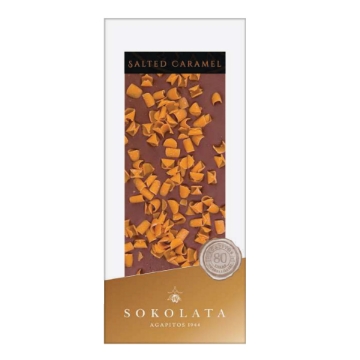
Sokolata Agapitos 1944 Salted Caramel Milk Chocolate Bar, 100g – Handmade in Thessaloniki

EL1964
Sokolata Agapitos 1944 Salted Caramel Milk Chocolate is a 100g handmade bar from Thessaloniki, combining milk chocolate, crunchy caramel bits and delicate sea salt flakes.
€4.90 excl tax excluding shipping
equates to €49.00 per 1 kg(s)

Carob Paximadi Rusks 260g - Wood-Oven Baked Cretan Barley Rusks

EL2049
Double-baked carob rusks crafted with carob flour, olive oil, and Cretan wine. A nutrient-rich traditional staple with earthy sweetness.
€5.70 excl tax excluding shipping
equates to €20.36 per 1 kg(s)

Dionysos Aeginas Soft Nougat with PDO Aegina Pistachios, 70g

EL1841
A 70g soft nougat from Dionysos Aeginas, made with PDO Aegina pistachios, honey and egg whites. A Greek confection with a soft texture and pistachio crunch.
€8.99 excl tax excluding shipping
equates to €0.13 per 1 gram(s)

Simantiraki Cretan Xerotigana – Honey & Almond bites Pastry Roll

EL1951
Experience the authentic taste of Crete with Simantiraki Xerotigana. Hand-rolled, crispy pastry ribbons soaked in pure Greek honey and topped with almonds. A timeless festive treat.
€5.00 excl tax excluding shipping
equates to €20.83 per 1 kg(s)