

Want to get notifications from us?
Early harvest & high-phenolic
Explore organic, early harvest Greek extra virgin olive oils made from green olives picked at the start of the season. Often called Agourelaio, these vibrant oils are valued for their fresh-cut grass, tomato leaf, almond and peppery notes, alongside naturally occurring olive polyphenols.
Early picking typically yields less oil but creates a more concentrated, robust profile. Choose from carefully sourced bottles for finishing salads, vegetables, grilled fish, soups and warm artisan bread. Their lively bitterness and throat-catching pepperiness bring depth to simple dishes without masking good ingredients.
For shoppers seeking high-phenolic EVOO, look for harvest details, producer information and available laboratory analysis, as polyphenol levels vary by olive variety, season and storage. Organic options are produced under certified standards that support responsible cultivation. These distinctive Greek oils also make considered gourmet gifts for cooks, olive oil enthusiasts and anyone who enjoys expressive Mediterranean flavour.
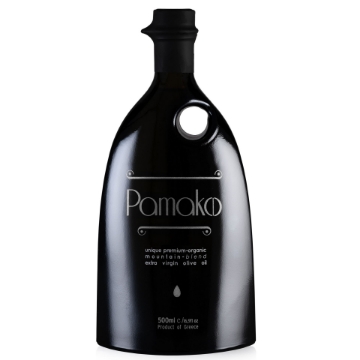


Pamako Premium Mountain Blend Extra Virgin Olive Oil 500ml
EL619
Filtered Pamako Blend Extra Virgin Olive Oil from Chania, Greece: 60% Tsounati variety & 40% Koroneiki. Harvest year 2025, with fresh, strong fruitiness, mild spice and a mildly bitter finish.


The Governor Premium Extra Virgin Olive Oil - Unfiltered 500ml | Limited Edition from Corfu, Early Harvest, Cold Pressed, High Polyphenol, Award-Winning Lianolia Cultivar
EL325
The Governor Premium Extra Virgin Olive Oil is a 500ml limited-edition, award-winning EVOO from Corfu. Early-harvest, cold-pressed and unfiltered, it is made with Lianolia Corfu olives and has an emerald-green appearance with a bold, peppery finish.
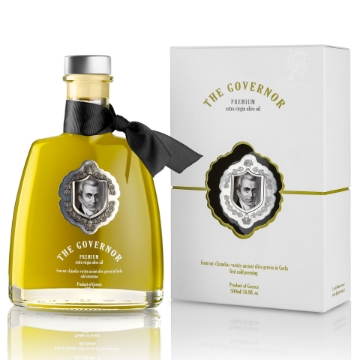
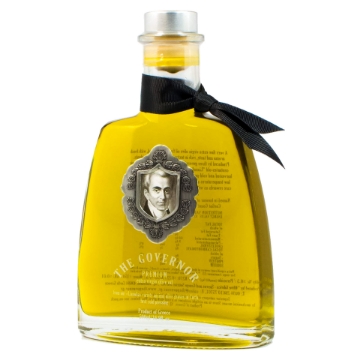
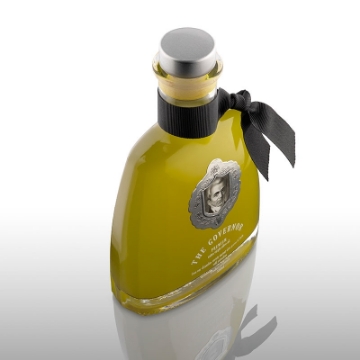
The Governor Unfiltered Olive Oil Premium Edition – High-Phenolic Corfu EVOO
EL332
An ultra-premium, unfiltered extra virgin olive oil from Corfu, Greece, The Governor is celebrated for its remarkably high phenolic content and unique, award-winning flavor. This single-variety oil is crafted from centenarian Lianolia olive trees, offering exceptional health benefits and a truly luxurious taste
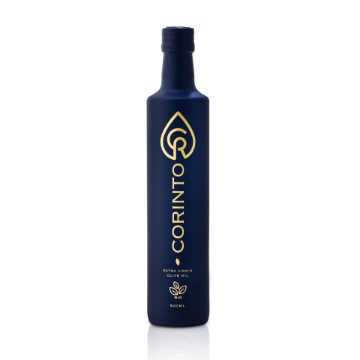
Organic Extra Virgin Olive Oil 500ml Corinto
EL1724
A single variety of extra virgin olive oil with the high nutritional value of the Koroneiki olive variety, unique taste, and incomparable aroma.
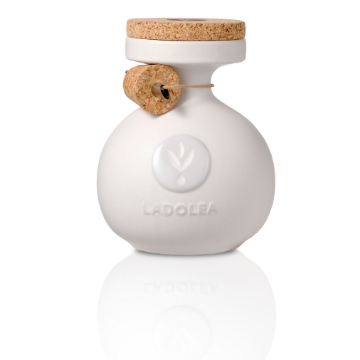


LADOLEA Organic Patrinia Extra Virgin Olive Oil 600ml
EL233
Organic single-variety extra virgin olive oil from the Patrinia olive, cold-pressed under 27°C and left unfiltered. Delicate, sweet aroma with notes of banana and fresh herbs, in a 600ml carton.