8 min read
The Essence of Luxury Greek Gastronomy
Luxury Greek gastronomy is far more than simply a collection of ingredients; it is a philosophy rooted in authenticity, provenance, and the profound connection between the land, its people, and their culinary heritage. It celebrates the unparalleled richness of the Greek terroir – a term I champion, encompassing the unique environmental factors that impart distinct characteristics to local produce. This luxury is found in the meticulous cultivation of rare olive varietals, the artisanal crafting of aged cheeses, and the careful selection of herbs and spices that have flourished under the Mediterranean sun for millennia. It is about appreciating the narrative behind each product, understanding the hands that nurtured it, and the tradition it embodies.Defining Terroir in the Greek Context
The Greek terroir is exceptionally diverse, shaped by its rugged mountains, sun-drenched islands, and fertile valleys. From the volcanic soils of Santorini influencing its cherry tomatoes and wines, to the rich clay of Kalamata yielding its famed olives, each region contributes a unique signature. For instance, the mountainous regions of Epirus are renowned for their robust cheeses, while Crete, with its unique microclimates, produces exceptional Cretan Taste products, including its celebrated olive oils and wild herbs. Understanding this geographical tapestry is fundamental to appreciating the depth and complexity of Greek luxury ingredients. The Hellenic Agricultural Organization – DIMITRA, through research collaborations with institutions like the Agricultural University of Athens, continuously champions the preservation and promotion of indigenous Greek olive varieties, validating their unique aromatic and nutritional profiles. This dedication ensures that the true character of the Greek land is bottled, aged, or crafted for global appreciation.Foundational Pillars: The Unrivaled Olive Oil
At the heart of Greek gastronomy, indeed, at the core of the Mediterranean diet, lies Olive Oil. But not just any olive oil. We speak of liquid gold, the extra virgin variety that is the lifeblood of Greek cuisine, revered for its flavor, aroma, and health benefits. A truly luxurious olive oil is a testament to the producer's dedication, from grove management to harvest and pressing.Beyond Basic: Single Estate & Monovarietals
To truly appreciate the nuances of Greek olive oil, one must delve into the world of Single Estate & Monovarietals. These oils are crafted from olives grown on a single farm, often from a single olive tree variety, allowing the unique characteristics of the terroir and cultivar to shine through. Consider the delicate fruitiness of an 'Athinolia' from Laconia, the robust peppery notes of a 'Koroneiki' from Kalamata, or the rare complexity of a 'Manaki' from Argolida. Each offers a distinct profile, perfect for pairing with specific dishes. For connoisseurs, exploring these individual expressions is akin to a wine tasting, revealing the subtle artistry involved. Many producers also focus on Organic & Early Harvest practices, ensuring the olives are picked at their peak phenolic content, further enhancing both flavor and nutritional value.The Health Elixir: Polyphenols and Oleocanthal
The health benefits of premium extra virgin olive oil are widely documented. It is a powerhouse of antioxidants and healthy monounsaturated fats. Among its most remarkable components are polyphenols, particularly oleocanthal, responsible for that characteristic peppery sensation at the back of the throat. According to studies published in PubMed, the high concentration of polyphenols, particularly oleocanthal, found in extra virgin olive oil contributes significantly to its anti-inflammatory properties, mirroring the effects of non-steroidal anti-inflammatory drugs. The European Food Safety Authority (EFSA) also recognizes the health benefits of olive oil polyphenols, especially in protecting blood lipids from oxidative stress. Incorporating such an ingredient into your daily regimen is not merely a culinary choice but a commitment to well-being.Artisanal Cheeses and Cured Meats: A Symphony of Flavors
Beyond olive oil, Greece boasts an extraordinary array of artisanal cheeses and cured meats, each reflecting regional traditions and meticulous craftsmanship. The country's dairy heritage dates back millennia, with methods passed down through generations.Regional Delicacies and Provenance
Consider the graviera from Crete or Naxos, a firm, slightly sweet cheese often aged for months, developing nutty undertones. Or the piquant saganaki cheese from Kefalonia, pan-fried to a golden crisp. Metsovone, a semi-hard smoked cheese from Metsovo, offers a unique smoky aroma and spicy flavor. These are not mass-produced commodities but products of specific breeds of sheep and goats, grazing on the wild herbs of the Greek mountainsides, their milk processed using time-honored techniques. Similarly, cured meats like the air-dried apaki from Crete, marinated in vinegar and herbs, or the spicy loukaniko sausages from regions like Trikala, offer intense flavors that are perfect for a sophisticated mezze platter or as an accompaniment to fine wines. The protected designation of origin (PDO) status for many of these products guarantees their authenticity and adherence to traditional production methods, a hallmark of true luxury.The Art of the Mezze: Curating a Gourmet Experience
The mezze is arguably the most iconic expression of Greek hospitality and culinary artistry. It's more than just appetizers; it's a social ritual, a tapestry of small plates designed for sharing, conversation, and slow enjoyment. To curate a luxury mezze is to orchestrate a symphony of flavors, textures, and aromas.Essential Elements for a Luxury Mezze
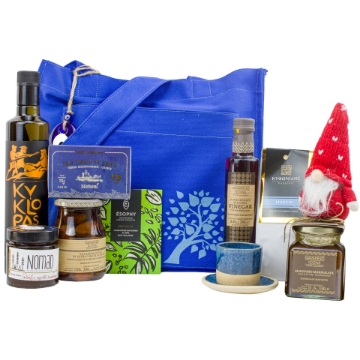
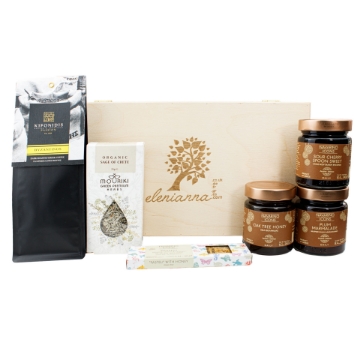
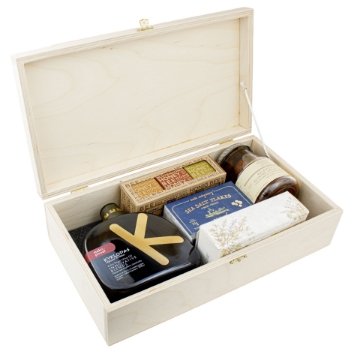
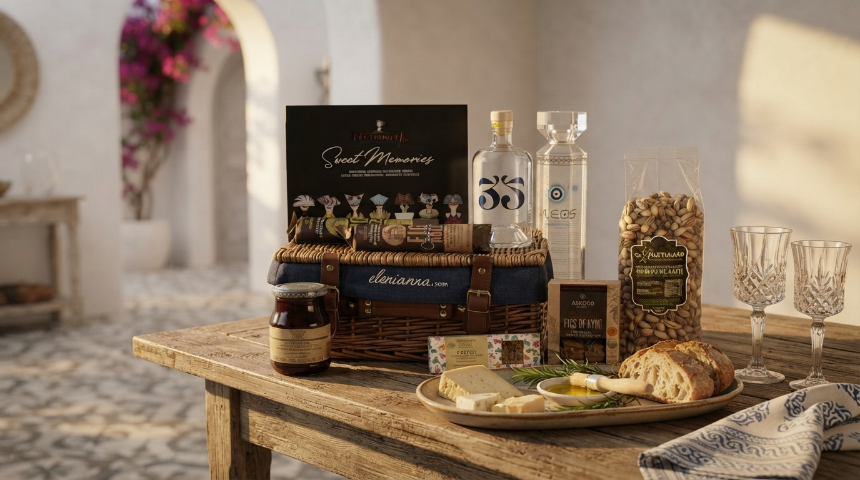
A truly exceptional mezze begins with selection. Start with a premium extra virgin Olive Oil for dipping fresh, crusty bread. Include a curated selection of artisanal cheeses – perhaps a sharp feta, a creamy manouri, and an aged kefalotyri. Marinated olives of various types, such as Kalamata and Halkidiki, are indispensable. Elevate the spreads beyond the ubiquitous with a rich fava bean puree, a spicy tirokafteri, or a refined taramosalata made with white fish roe. Add delicate slices of cured meats, seasonal vegetables grilled or pickled, and perhaps some dolmades (stuffed vine leaves) prepared with aromatic herbs and a touch of lemon. Presentation is paramount; serve these delicacies on elegant ceramic platters, allowing each item to be admired. For those seeking to replicate this experience with ease, consider curated selections like the Luxury Greek Hamper Mezze - The Perfect Gift for Any Occasion, or the Luxury Greek Food and Tote Bag Gift Set - Authentic Greek Delicacies in a Stylish Tote Bag, which bring together premium ingredients for an effortless gourmet display. Even a simpler yet elegant offering like the Mini Luxury Wooden Food Gift – Authentic Greek Flavors can set the stage for an authentic tasting journey.Mastering Gourmet Pairings: From Aperitif to Digestif
A luxurious dining experience is incomplete without thoughtful beverage pairings. Greek gastronomy offers a rich spectrum of choices to complement its diverse flavors.Wine, Spirits, and Non‑Alcoholic Beverages
For wines, Greek varietals like Assyrtiko from Santorini, with its crisp minerality, are exceptional with seafood and fresh cheeses. A full-bodied Xinomavro from Naoussa or Nemea pairs beautifully with robust meats and aged graviera. Beyond wine, Greek spirits like ouzo or tsipouro (grappa-like spirit) can be enjoyed as aperitifs or digestifs, offering anise-tinged or herbaceous notes. For those preferring Non‑Alcoholic Beverages, traditional Greek mountain tea (tsai tou vounou) or refreshing freshly squeezed lemonades made with local citrus can provide a sophisticated alternative, cleansed and aromatic. The key is to balance and enhance, allowing the quality of each element to shine without overpowering the other.Elevating the Home Dining Experience: Michelin-Star Techniques
Transforming your home dining into a Michelin-star experience is about more than just the food; it's about creating an atmosphere that engages all senses. This is where expertise in presentation, service, and ambiance comes into play.The Role of Presentation and Craftsmanship
Invest in high-quality serveware that complements your dishes. Handmade ceramics, artisan wooden boards, and fine linens elevate the visual appeal. Consider the plating – less is often more, allowing each ingredient to be a focal point. Temperature is critical: warm dishes should be served hot, cold dishes perfectly chilled. For ambiance, subtle lighting and inviting aromas are essential. Incorporate elements such as Ceramic & Glass Vessel Candles with sophisticated scents to create an enveloping sensory experience, transforming your dining space into an intimate, luxurious setting. The focus should always be on crafting an experience where every detail contributes to the overall pleasure, mirroring the meticulous attention found in the finest restaurants.In conclusion, luxury Greek gastronomy is an invitation to explore a world of profound flavors, rich history, and unparalleled quality. It is a celebration of the Greek land, its people, and their timeless culinary traditions. By embracing the principles of provenance, artisanal quality, and thoughtful presentation, you can unlock the secrets to creating truly unforgettable gourmet experiences at home, guided by the wisdom of the Greek terroir.Continue exploring
Deepen your understanding with these curated Elenianna guides.
Frequently Asked Questions
Luxury in Greek gastronomy is defined by the exceptional quality, rarity, and provenance of its ingredients, meticulous artisanal production, and the depth of flavor that reflects its unique terroir. It's about celebrating tradition with refined presentation.
High-quality Greek Olive Oil, especially extra virgin, is characterized by its PDO/PGI certification, distinct fruity aroma, peppery finish (indicating high oleocanthal), and low acidity. Look for Single Estate & Monovarietals or Organic & Early Harvest labels.
A gourmet Greek mezze spread should feature premium Olive Oil, artisanal cheeses, high-quality cured olives, flavorful spreads like fava or taramosalata, and fresh, seasonal vegetables. Presentation is key, utilizing elegant serveware to elevate the experience.

Expert Insights by Xenophon Liapakis
With over 15 years in Mediterranean gastronomy and a Sensory Analysis certification, Xenophon Liapakis offers unparalleled expertise in the nuanced world of Greek terroir. As Founder of elenianna, his mission is to fuse scientific understanding with the pinnacle of luxury taste experiences.