7 min read
The Enemies of Extra Virgin Olive Oil: Light, Air, Heat, and Time
Extra Virgin Olive Oil is a living product, susceptible to degradation by four primary factors. Recognizing and mitigating these elements is the cornerstone of effective preservation.Light Degradation: The Silent Thief of Quality
Light, particularly ultraviolet (UV) radiation, is one of the most destructive forces against EVOO. Exposure to light initiates photo-oxidation, a chemical reaction that breaks down chlorophyll and other beneficial compounds, leading to the rapid formation of undesirable off-flavors and a decrease in polyphenol content. Research by the University of Athens, published in scientific journals, consistently highlights how direct light exposure significantly accelerates the oxidation process in EVOO, even in short periods. This is why you will rarely find truly high-quality Olive Oil in clear glass bottles.Oxidation: Air's Assault on Freshness
Oxygen in the air reacts with the unsaturated fatty acids in EVOO, initiating oxidative rancidity. This process produces aldehydes and ketones, compounds responsible for stale, cardboard-like, or metallic flavors. The larger the surface area of oil exposed to air, the faster oxidation occurs. This is precisely why once a bottle of EVOO is opened, its clock begins to tick more rapidly. Ensuring a tight seal after each use is non-negotiable for preserving freshness, especially for categories like our exquisite Organic & Early Harvest selections.Temperature Fluctuations: Heat's Detrimental Impact
Heat dramatically accelerates chemical reactions, including oxidation and hydrolysis, which degrade EVOO. While room temperature is generally acceptable, extreme heat (above 75°F or 24°C) or rapid, drastic temperature changes can compromise its stability and flavor profile. High temperatures can break down the delicate aromatic compounds that define the 'Terroir' of a specific region, such as the Peloponnese, impacting the sensory experience profoundly. Conversely, excessively cold temperatures can cause EVOO to solidify and become cloudy, a harmless but sometimes misinterpreted change in appearance. Repeated cycles of chilling and warming, however, can damage the oil's structure.The March of Time: Understanding Shelf Life
While EVOO does not spoil in the traditional sense of becoming unsafe to consume, it certainly loses its desirable characteristics over time. Most high-quality EVOOs have a shelf life of 18-24 months from the harvest date, not the bottling date. This period ensures the oil retains its peak flavor, aroma, and beneficial compounds like Oleocanthal and other polyphenols, which contribute to its anti-inflammatory properties, as noted by numerous studies cataloged on PubMed. After this period, the oil will still be safe but will gradually lose its vibrancy and potency.Choosing the Right Vessel: Ancient Wisdom Meets Modern Science
The container in which EVOO is stored plays a crucial role in its preservation, a lesson gleaned from millennia of Greek artisanal traditions.The Timeless Elegance of Ceramic and Dark Glass
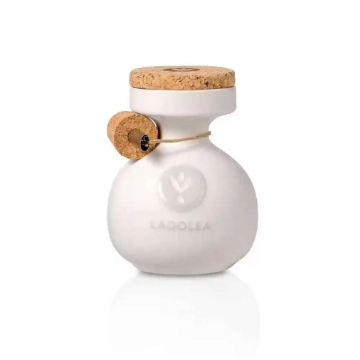
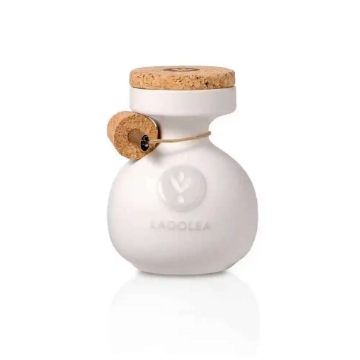
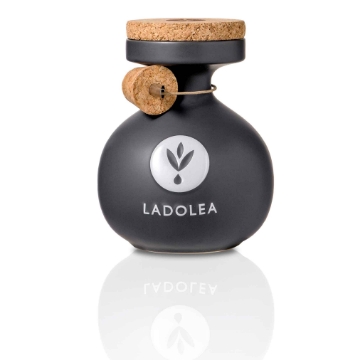
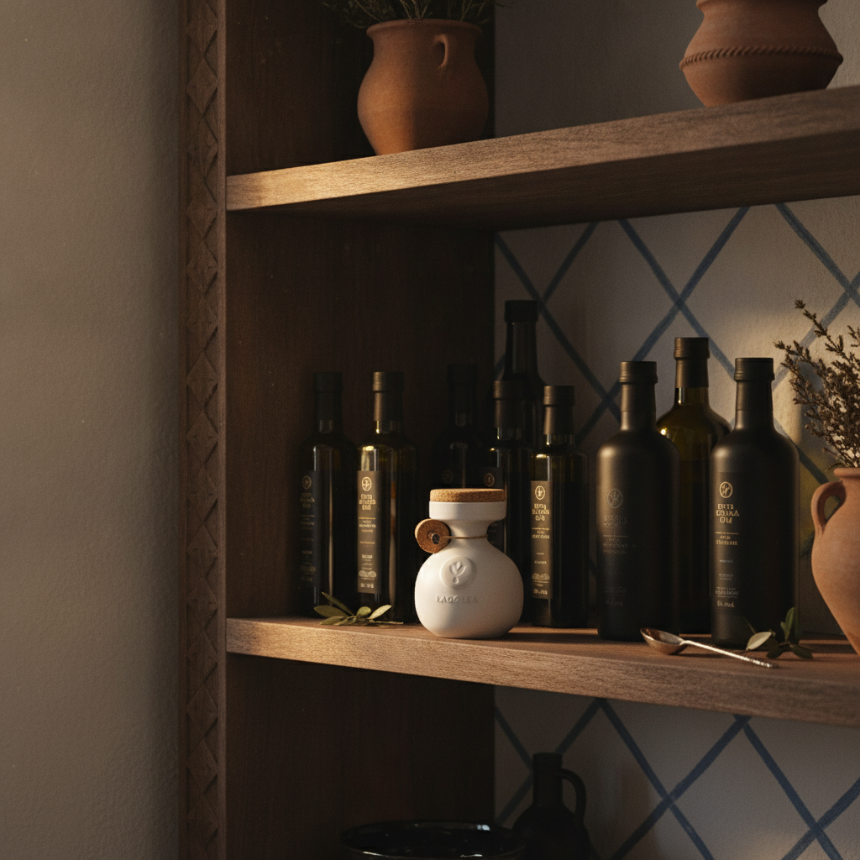
Ancient Greeks stored their precious olive oil in ceramic amphorae, recognizing their ability to shield the oil from light and maintain a stable temperature. This tradition continues today in premium products. For instance, our Organic Extra Virgin Olive Oil LADOLEA 200ml and Organic Extra Virgin Olive Oil LADOLEA 80ml are encased in meticulously designed ceramic pots, reminiscent of ancient Greek amphorae, not only for their aesthetic appeal but primarily for their superior protective qualities against light and temperature fluctuations. Similarly, dark-tinted glass bottles, like those used for our Extra Virgin Olive Oil LADOLEA 600ml, offer substantial protection against UV light compared to clear glass. The opacity of the vessel is a direct defense mechanism against photo-oxidation, preserving the integrity of the oil's complex chemical profile.Practicality and Preservation: The Role of Refill Tins (EVOO)
For those who consume larger quantities or prefer to decant their oil into smaller, table-ready vessels, high-quality metallic tins, specifically designed for olive oil storage, present an excellent option. These Refill Tins (EVOO) are entirely opaque, blocking all light, and provide an effective barrier against oxygen when properly sealed. They are a practical choice for maintaining the quality of bulk purchases or for transporting your oil without compromising its integrity. When choosing a tin, always opt for food-grade coated metal to prevent any metallic leaching into the oil.Optimal Storage Locations in Your Home: Beyond the Pantry Shelf
The 'where' of storage is just as vital as the 'how'.Cool, Dark, and Stable: The Ideal Environment
The ideal storage environment for EVOO is consistently cool (around 60-70°F or 15-20°C), dark, and dry. A pantry, a dedicated cupboard, or even a wine cellar (if the temperature is within the range) are excellent choices. Crucially, this location should be away from any direct heat sources such as stoves, ovens, or even the top of a refrigerator, which often radiates warmth.Avoiding Common Pitfalls: Refrigeration, Proximity to Heat Sources
While refrigeration is not inherently harmful, it is not ideal for long-term storage of EVOO. The cold can cause the oil to solidify and become cloudy, though this is reversible once it returns to room temperature. However, repeated chilling and warming cycles can impact the oil's sensory qualities over time. Always avoid storing EVOO near windows, skylights, or bright artificial lights, as well as appliances that generate heat. Even the ambient light of a kitchen can degrade oil over weeks if it's left out on the counter.Understanding EVOO Quality: The Role of Polyphenols and Oleocanthal
Proper storage is not just about taste; it's about safeguarding the very essence of what makes EVOO a superfood.Scientific Insights: Preserving Health Benefits
EVOO is celebrated for its rich content of polyphenols, particularly Oleocanthal, a natural phenolic compound responsible for the peppery sensation in the throat and lauded for its potent anti-inflammatory properties, comparable to ibuprofen, as documented by research from the Monell Chemical Senses Center. The European Food Safety Authority (EFSA) recognizes the health claim that olive oil polyphenols contribute to the protection of blood lipids from oxidative stress. Proper storage is directly correlated with the retention of these beneficial compounds. An oil that has been exposed to light and heat will have a significantly reduced polyphenol count, diminishing its health-promoting attributes.The Link to "Terroir": How Storage Affects Taste Profile
The unique 'Terroir' of an olive grove – its microclimate, soil composition, olive varietals, and traditional cultivation methods – contributes to the distinct flavor profile of any given EVOO, whether it's from our Single Estate & Monovarietals or our carefully crafted Blends & Signature Collections. For instance, an oil from the arid lands of Crete will have different nuances than one from the lush groves of Kalamata. These delicate aromatic and flavor compounds, the very markers of its 'Terroir', are extremely sensitive to degradation. Correct storage preserves these subtle notes – the fresh grassiness, the almond undertones, the peppery finish – ensuring that each drop delivers the authentic experience intended by its producers.When to Enjoy Your Olive Oil: Maximizing Its Lifespan
Even with perfect storage, EVOO is best enjoyed fresh.The Freshness Imperative: Early Harvest Oils
For categories like Organic & Early Harvest oils, which are celebrated for their vibrant, pungent flavors and higher polyphenol content, consuming them within 12-18 months of harvest is ideal. Their intensity and freshness are unparalleled when young. While these oils can last longer with proper storage, their peak vitality is experienced during this initial period.Culinary Versatility: Beyond Just Dressing
High-quality EVOO is not just for salads. Its robust flavor profiles make it suitable for a wide array of culinary applications. From finishing grilled fish to baking certain desserts, the right EVOO elevates any dish. Experiment with different Tasting Sets & Flights to discover the vast spectrum of flavors. Understanding how to properly store your collection ensures that each bottle, regardless of its intended use, remains a testament to purity and taste until the last drop. In conclusion, treating your Extra Virgin Olive Oil with the respect it deserves through meticulous storage is an investment in its quality, its health benefits, and its unparalleled taste. By protecting it from light, air, and heat, you ensure that every pour delivers the true essence of its Greek 'Terroir', a tradition passed down through generations.Frequently Asked Questions
Proper storage is crucial to protect EVOO from degradation caused by light, air, and heat, which can strip it of its delicate flavors, aromas, and beneficial compounds like polyphenols. This preserves its quality, taste, and health-promoting properties, ensuring you experience the true essence of its 'Terroir'.
The best containers are opaque, such as dark glass bottles, ceramic pots (like traditional Greek amphorae), or food-grade metallic tins. These materials effectively block light, which is a primary cause of EVOO degradation. Avoid clear glass bottles for long-term storage.
While refrigeration is not harmful, it's not ideal for long-term EVOO storage. Cold temperatures can cause the oil to solidify and become cloudy, though this is reversible. However, repeated cycles of chilling and warming can negatively impact the oil's delicate sensory profile over time. A cool, dark pantry is generally preferred.

Expert Insights by Xenophon Liapakis
With over 15 years of expertise in Mediterranean luxury gastronomy and botanical skincare, Xenophon Liapakis holds a certification in Sensory Analysis, ensuring every insight into Greek 'Terroir' is scientifically grounded. As Founder of elenianna, his mission is to fuse scientific knowledge of beneficial properties like polyphenols with the ultimate luxury taste experience and holistic well-being.