6 min read
The Essence of Terroir in Greek Beverages
The concept of 'terroir' – the complete natural environment in which a particular product is produced, including factors such as the soil, topography, and climate – is often associated with wine, but its influence is profoundly evident in Greece's rich array of beverages. From the robust beans meticulously roasted for a traditional Greek coffee to the fragrant herbs gathered from sun-drenched mountainsides, each sip tells a story of its origin. The unique geological formations, the sun's intense embrace, and the cooling breezes from the Aegean Sea all contribute to a flavour profile that is distinctly Hellenic. This deep connection between environment and essence is what elevates these beverages from simple refreshment to an experience of authentic luxury.Coffee: A Centuries-Old Ritual
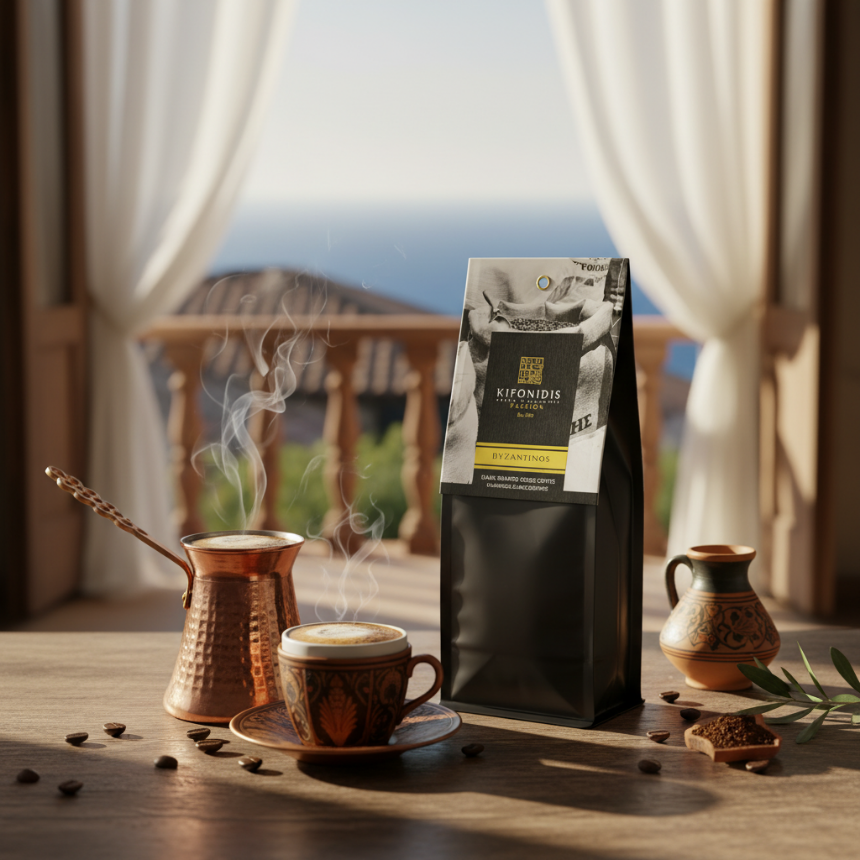
The Greek relationship with coffee is a ritual, a cultural cornerstone passed down through generations. While Greece is not a major coffee-producing nation, the methods of preparation and the specific blends favoured speak volumes about its gastronomic philosophy. Traditional Greek coffee, brewed in a 'briki' or 'ibrik,' is characterized by its fine grind and the rich, frothy 'kaimaki' layer on top. The choice of bean, often a medium-to-dark roast Arabica, is crucial, selected for its ability to deliver a robust yet smooth flavour profile that can withstand the intense brewing process. The artisanal approach to roasting, grinding, and brewing ensures that each cup is a testament to precision and tradition, reflecting the care akin to selecting an exquisite Organic BIO EVOO.Herbal Infusions: Nature's Elixirs from Greek Soil
Beyond coffee, Greece's herbal infusions are a veritable treasure trove, born from a diverse flora thriving across varied landscapes. The Greek mountains, in particular, are rich in aromatic plants, their distinct microclimates fostering unique biochemical compositions. These are the foundations of tisanes that have been revered since antiquity for both their taste and their perceived wellness benefits, much like the appreciation for the health-promoting qualities of High-Phenolic EVOO.From Bean to Brew: The Artisanal Craft of Greek Coffee
The preparation of Greek coffee is an art form, a meditative process that rewards patience and attention to detail. The finely powdered coffee, water, and optional sugar are slowly brought to a boil in the briki, creating the distinctive foam. This slow extraction process is key to developing its full-bodied flavour without bitterness. The choice of water, its mineral content, also plays a subtle yet significant role in the final taste, highlighting the profound connection between the land and its liquid treasures, much like the provenance of our High-Phenolic EVOO offerings. It is this meticulousness that defines Greek culinary excellence, extending from a perfect cup of coffee to an artfully designed Tasting Sets & Flights of fine oils.Beyond Coffee: The Rich Spectrum of Greek Infusions
The Greek landscape offers an abundance of botanicals, each with its own story and unique properties.Mountain Tea (Sideritis): A Nectar of the Gods
Perhaps the most iconic Greek herbal infusion is Sideritis, commonly known as Greek Mountain Tea. Harvested from the rugged slopes of the country's mountains, this herb has been cherished for millennia. Its earthy, slightly floral flavour is matched by a wealth of health benefits. According to a study published by the Aristotle University of Thessaloniki, Sideritis species are rich in flavonoids, terpenes, and phenolic acids, which contribute to its significant antioxidant and anti-inflammatory properties. These compounds are of great interest to modern science, validating ancient folk wisdom.Chamomile, Sage, and Linden: Ancient Wisdom, Modern Wellness
Other beloved Greek infusions include chamomile, known for its calming properties; sage, traditionally used for its antiseptic qualities; and linden, often consumed to soothe and relax. These herbs thrive in specific microclimates, absorbing the unique essence of their surroundings. Their careful harvesting and traditional drying methods ensure the preservation of their delicate aromas and beneficial compounds, echoing the care taken in producing our Early Harvest (Agoureleo) olive oils. The appreciation for these natural elixirs perfectly complements a light meal featuring Olives and Olive Paste, perhaps with a drizzle of a Classic EVOO (Curated Classics).The Scientific Nuance: Polyphenols and Antioxidants in Greek Beverages
The conversation around beneficial compounds in beverages often parallels our discussions on High-Phenolic EVOO. Coffee, too, is a rich source of polyphenols and antioxidants. According to a comprehensive review published in the journal 'Nutrients,' coffee is one of the major dietary sources of antioxidants, including chlorogenic acids, which have been linked to various health benefits such as improved glucose metabolism and reduced oxidative stress. Similarly, the phenolic compounds in Greek herbal teas, particularly Sideritis, contribute significantly to their bioactivity. The European Food Safety Authority (EFSA) continues to evaluate the specific health claims related to these natural compounds, emphasizing the importance of a balanced diet rich in such ingredients. This scientific validation underscores the luxury of enjoying not just exquisite taste, but also inherent wellness benefits.Pairing Perfection: Complementing Greek Beverages with Gastronomy
The right beverage can elevate a meal, creating a harmonious culinary experience. A strong Greek coffee serves as the perfect conclusion to a rich Mediterranean feast, its bitterness cutting through the richness of desserts. Herbal teas, with their lighter profiles, can be enjoyed throughout the day or paired with lighter fare, such as a fresh salad dressed with an exquisite Flavored & Infused Oils. For those exploring the breadth of Greek gastronomic excellence, considering beverages as part of a larger culinary narrative is essential. This philosophy guides our curations, whether it's an expansive selection from our Signature Collections or a thoughtful Pairing Gifts (Oil + Honey/Sea Salt). The synergy between what you drink and what you eat is paramount to truly appreciating the nuances of Greek terroir.In conclusion, Greece's beverages are more than just thirst quenchers; they are an intrinsic part of its cultural fabric, deeply rooted in the land and its ancient traditions. From the robust ritual of Greek coffee to the delicate wellness of mountain teas, each sip offers a unique window into the profound connection between nature, science, and luxurious taste. My mission at elenianna is to illuminate these connections, offering insights that enrich your appreciation for the unparalleled quality and heritage of Greek gastronomy.Frequently Asked Questions
Traditional Greek coffee is characterized by its fine grind and meticulous slow brewing in a 'briki' or 'ibrik,' which creates a rich, frothy 'kaimaki' layer. The distinct preparation results in a robust, full-bodied flavour with a unique aromatic profile, often served strong and unfiltered, leaving a fine sediment at the bottom of the cup.
Greek herbal infusions, particularly Mountain Tea (Sideritis), are rich in beneficial compounds like flavonoids and phenolic acids. According to research from the Aristotle University of Thessaloniki and studies published in journals like 'Nutrients,' Sideritis exhibits significant antioxidant and anti-inflammatory properties. These scientific findings validate the long-held traditional beliefs about their wellness benefits.
The 'terroir' concept profoundly influences Greek non-alcoholic beverages by dictating the unique characteristics of the ingredients. For herbal infusions, factors such as the specific soil composition, altitude, sun exposure, and microclimates of Greek mountains directly impact the aromatic profile and biochemical makeup of wild-harvested herbs like Sideritis, imparting a distinct flavour and potency not found in herbs from other regions. Similarly, while coffee beans are not native, the local water quality and artisanal roasting traditions contribute to a 'terroir-driven' character in the final brew.

Expert Insights by Xenophon Liapakis
With over 15 years of experience in Mediterranean luxury gastronomy and a certification in Sensory Analysis, Xenophon Liapakis is an authority on the Greek 'Terroir'. As Founder of elenianna, his expertise lies in fusing scientific insights with unparalleled taste experiences, from high-phenolic EVOO to artisanal Greek beverages.