7 min read
The Enduring Legacy of Mediterranean Herbal Infusions
The Mediterranean basin, particularly Greece, has been a cradle of herbal wisdom for millennia. From the ancient Hellenic physicians like Hippocrates, who prescribed herbs for their therapeutic properties, to the daily rituals of villagers who still gather wild botanicals, the tradition of herbal infusions is deeply woven into the fabric of life. These are not merely ‘teas’ in the conventional sense, but ‘tisanes’ – infusions derived from leaves, flowers, seeds, or roots, free from the Camellia sinensis plant. Each offers a unique aromatic profile, a narrative of its origin, and a whisper of the earth it sprang from.
The cultural significance of herbs extends beyond their medicinal applications. They are integral to flavour profiles in countless dishes, preservatives, and aromatic enhancers. In a luxurious setting, presenting a carefully selected herbal infusion is an act of hospitality, a gesture of thoughtful consideration for the guest’s palate and well-being. This ancient legacy informs our modern approach to gourmet pairing, where the nuanced character of an herbal infusion can elevate or complement a dish with astonishing precision.
The Science Behind the Sip: Bioactive Compounds in Herbal Teas
Beyond their delightful flavours and aromas, Mediterranean herbal infusions are a treasure trove of bioactive compounds. These natural constituents contribute significantly to the perceived health benefits, a fact that resonates deeply with our commitment to scientific validation. Among the most prominent are polyphenols, flavonoids, and essential oils, each contributing to the holistic impact of the infusion. For example, Sideritis scardica, commonly known as Greek Mountain Tea, is celebrated not only for its earthy, slightly floral notes but also for its rich phytochemical composition.
According to research published in the journal 'Molecules' and extensive studies conducted by the National and Kapodistrian University of Athens, species of Sideritis are abundant in flavonoids and terpenoids. These compounds exhibit significant antioxidant and anti-inflammatory properties. Similarly, the potent antioxidants found in various herbs, much like the Oleocanthal and other polyphenols prevalent in High-Phenolic EVOO, are crucial in supporting cellular health. As highlighted by the European Food Safety Authority (EFSA), a diet rich in these compounds contributes to the protection of blood lipids from oxidative stress, underpinning the Mediterranean diet’s renowned health benefits. Understanding these intricate scientific underpinnings allows us to appreciate herbal teas not just as sensory delights but as functional elements of a health-conscious, luxurious lifestyle.
Curating the Palate: Herbal Tea Pairings for Michelin-Star Home Dining
The art of pairing herbal infusions with gourmet cuisine requires a sophisticated understanding of flavour dynamics, much like selecting the perfect vintage wine. The goal is to create harmony, contrast, or an entirely new flavour dimension, enhancing both the dish and the infusion.
Delicate Infusions for Aperitifs and Appetizers
For the delicate opening acts of a gourmet meal, lighter, more fragrant infusions are ideal. A gentle Chamomile infusion, with its apple-like sweetness and soothing qualities, can beautifully complement a delicate seafood carpaccio or a light goat cheese tart. Its subtle notes will not overwhelm the starter but rather prepare the palate. Similarly, a soft Lemon Verbena tea, with its bright, citrusy aroma, pairs exquisitely with fresh green salads dressed with a high-quality Greek EVOO and a hint of sea salt, awakening the senses for the culinary journey ahead.
Robust Profiles for Main Courses and Savoury Delights
As the meal progresses to more substantial dishes, the herbal infusion can become a more prominent partner. A robust Sage or Thyme infusion, characterized by their earthy, slightly peppery notes, can stand up to the rich flavours of roasted lamb or slow-cooked beef. Imagine a perfectly seared duck breast, accompanied by a reduction infused with Wild Thyme tea – the herbal bitterness cutting through the richness of the meat, cleansing the palate and adding an aromatic depth. For vegetarian courses featuring roasted root vegetables or hearty legumes, a strong, aromatic Rosemary infusion can provide an herbaceous lift and a grounding presence. These pairings are akin to selecting a perfectly matched Flavored & Infused Oils to enhance a dish, where the infusion acts as a liquid seasoning.
Harmonizing with Desserts and Post-Meal Indulgences
Post-meal, herbal infusions transition from culinary companions to digestive aids and conduits for relaxation. A Peppermint tea, renowned for its refreshing and digestive properties, is a classic choice after a rich meal, cleansing the palate and aiding comfort. For desserts, a delicate blend of Linden blossom and Lavender can offer a floral, slightly sweet counterpoint to fruit tarts or light mousse. The aromatic complexity of these infusions can even inspire new dessert creations, such as a Lavender-infused panna cotta or a Linden blossom sorbet. Consider exploring these dimensions with curated Tasting Sets & Flights designed to expand your appreciation for flavour harmonies.
The Terroir of Taste: Sourcing the Finest Mediterranean Herbs
The essence of any truly exceptional ingredient lies in its origin – its terroir. For Mediterranean herbs, this translates to the sun-drenched hillsides, the mineral-rich soils, and the unique microclimates that imbue them with their distinctive characteristics. Just as we meticulously source our Single Estate & Monovarietals olive oils, the quality of herbal infusions begins with the careful selection and harvesting of botanicals.
In Greece, wild-foraged herbs often possess a vibrancy and intensity unmatched by cultivated varieties. Mountain Tea from the slopes of Mount Olympus, wild Oregano from the Peloponnese, or Spearmint from the fertile plains of Macedonia each carry the indelible mark of their homeland. Sustainable harvesting practices are paramount, ensuring the longevity of these precious resources and the purity of their yield. This commitment to provenance ensures that every cup of herbal tea offers not just a drink, but a genuine expression of the Mediterranean landscape, a pure luxury experience.
Beyond the Brew: Integrating Herbal Infusions into Culinary Creations
The versatility of herbal infusions extends beyond a simple drink; they are potent culinary ingredients in their own right. Imagine marinades for poultry or fish crafted with strong Rosemary or Oregano tea, imparting herbaceous depth without the bitterness of fresh herbs that can sometimes overpower. Reductions for sauces can be intensified by infusing a base liquid with sage or thyme, creating a sophisticated glaze for meats or vegetables. Herbal teas can also be used in baking, adding subtle aromatic notes to breads, cakes, or even savoury biscuits. A delicate lavender infusion can transform a simple syrup, which can then be used to sweeten cocktails, drizzle over fruit salads, or enhance glazes for pastries. The possibilities are boundless, encouraging innovative gastronomic exploration.
Elevating the Experience: Presentation and Ritual
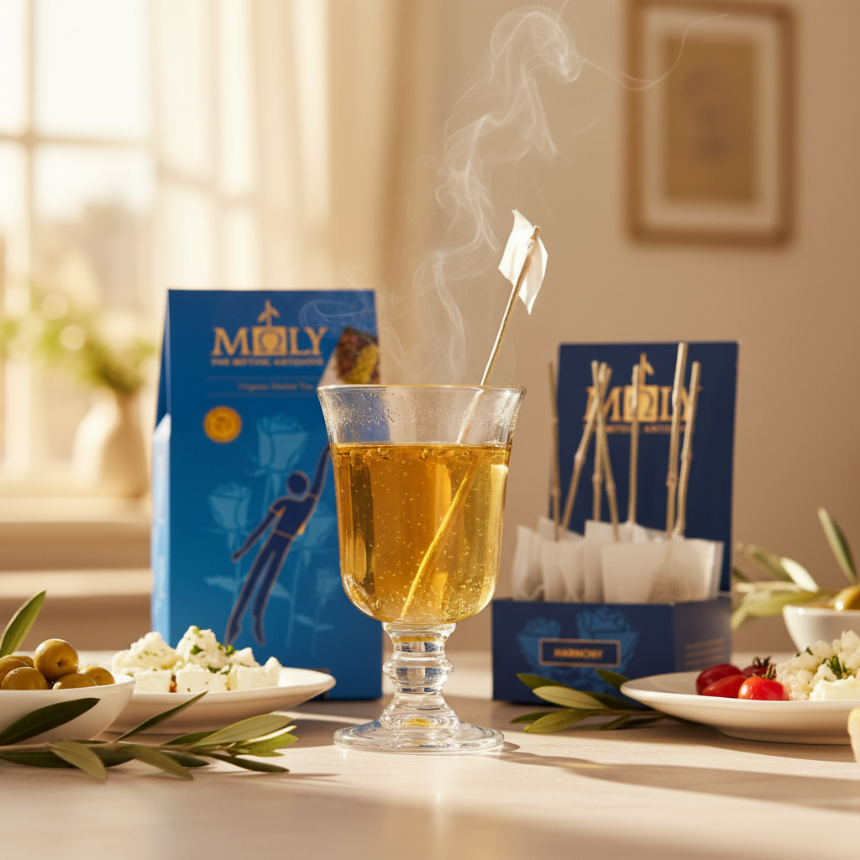
In the realm of luxury, presentation and ritual are as important as the product itself. Serving herbal infusions at a gourmet meal or an exclusive event is an opportunity to engage all senses. Use exquisite teaware—delicate porcelain or crystal glasses that allow the vibrant colours of the infusion to shine through. Control the brewing temperature and steeping time with precision to extract optimal flavour without bitterness. Offer a choice of sweeteners: artisanal Greek honey, raw cane sugar, or a touch of stevia, allowing guests to tailor their experience. The ritual of preparation, from the gentle pouring of hot water over the fragrant herbs to the slow release of their essence, is an integral part of the experience, inviting contemplation and appreciation. It transforms a simple act into a mindful luxury, reflecting the care and thought invested in every aspect of the dining experience.
In conclusion, herbal infusions are far more than a simple beverage. They are a profound expression of Mediterranean terroir, a conduit for wellness, and a sophisticated tool for the discerning palate. By embracing their complexity and versatility, we unlock new dimensions of gourmet dining, allowing these ancient botanicals to take their rightful place at the pinnacle of culinary artistry. Expert Insights by Xenophon Liapakis, Founder of elenianna, championing the true essence of Mediterranean luxury.
Frequently Asked Questions
Mediterranean herbal infusions are distinguished by their rich history, unique terroir-driven flavour profiles from specific regions like Greece, and high concentration of beneficial bioactive compounds. Their versatility allows for sophisticated food pairings that can cleanse the palate, enhance specific dish notes, or provide a calming post-meal experience, aligning perfectly with luxury gastronomy.
Herbal infusions can be skillfully integrated into various culinary applications. They can be used to create aromatic marinades for meats and vegetables, form the base for sophisticated sauces and reductions, or even flavour simple syrups for cocktails and desserts. Their concentrated essence adds depth and complexity, acting as a natural flavour enhancer.
Yes, many Greek herbal teas, such as Sideritis scardica (Mountain Tea), are known for their health benefits. Scientific research, including studies published in journals like 'Molecules' and by institutions like the National and Kapodistrian University of Athens, highlight their significant antioxidant, anti-inflammatory, and potential neuroprotective properties, primarily due to their rich content of flavonoids and terpenoids.

Expert Insights by Xenophon Liapakis
With over 15 years of experience in Mediterranean gastronomy and a certification in Sensory Analysis, Xenophon Liapakis, Founder of elenianna, specializes in bridging scientific knowledge with the ultimate luxury taste experience, particularly highlighting the Greek 'Terroir'.