
6 min read
The Art of Pairing: Elevating Gourmet Cuisine with Exceptional Olive Oil
As a connoisseur of Mediterranean gastronomy with over 15 years of experience, I've observed that the true essence of exceptional cuisine often lies in the quality of its foundational ingredients. Among these, Olive Oil stands paramount, not merely as a cooking medium but as a flavor enhancer capable of transforming a simple dish into a Michelin-star experience. My journey with elenianna has always centered on bridging scientific understanding with unparalleled taste, especially when it comes to the nuanced world of Greek olive oil. Understanding its 'terroir' – the unique combination of soil, climate, and traditional cultivation methods – is key to unlocking its full potential in gourmet applications.
Understanding the Terroir: The Soul of Greek Olive Oil
The distinctive character of a premium Single Estate & Monovarietals olive oil is intrinsically linked to its origin. Greece, with its diverse microclimates and ancient olive groves, offers a tapestry of flavors. For instance, olive oils from the Peloponnese, like the renowned Koroneiki variety, often present robust notes of fresh-cut grass, green banana, and a peppery finish. Those from Crete, embodying the rich Cretan Taste, might lean towards a more mellow, fruity profile with hints of almond. This geographical diversity means that not all olive oils are created equal, nor are they interchangeable in the sophisticated kitchen.
When selecting an olive oil for a particular dish, consider its aromatic profile. A delicate olive oil might be lost in a robust stew, while an intensely fruity oil could overpower a subtle seafood preparation. My personal selections, such as the Organic Extra Virgin Olive Oil LADOLEA 80ml, offer a glimpse into this diversity, providing a convenient way to explore distinct regional characteristics. The complexity of these oils is a testament to the meticulous care from grove to bottle, often involving Early harvest & high-phenolic practices that preserve their vibrant flavors and beneficial compounds.
The Science of Taste: Polyphenols, Oleocanthal, and Sensory Analysis
Beyond flavor, the health benefits of premium extra virgin olive oil are scientifically validated. Polyphenols, powerful antioxidants naturally present in olive oil, contribute to its peppery bitterness and green fruity notes. Oleocanthal, a specific polyphenol, is responsible for the characteristic pungent sensation in the throat, mimicking the effects of ibuprofen, as highlighted by research from the University of Athens. (Molecules, 2012)
My certification in Sensory Analysis has taught me that appreciating olive oil is a multi-sensory experience. It involves visual assessment for clarity and color, olfactory evaluation for aroma, and finally, gustatory analysis for taste and mouthfeel. A high-quality extra virgin olive oil should exhibit fruitiness, bitterness, and pungency in varying degrees, reflecting its freshness and polyphenol content. When tasting, observe the initial impact, the mid-palate development, and the finish. This methodical approach allows one to truly discern the subtle differences that make each oil unique.
The Role of Freshness and Storage
To preserve these delicate flavors and beneficial compounds, freshness is paramount. Refill Tins (EVOO) can be an excellent option for maintaining quality once a larger bottle is opened, protecting the oil from light and air. Exposure to light, heat, and air are the primary enemies of olive oil, causing oxidation and degradation of its polyphenols. Always store your premium olive oils in cool, dark places, away from direct sunlight and strong odors.
Gourmet Pairings: Elevating Dishes to Culinary Masterpieces
The true artistry of olive oil lies in its application. It’s not just an ingredient; it's a finishing touch, a condiment, and a flavor bridge that can harmonize disparate elements of a dish.
Perfecting Salads and Appetizers
For vibrant salads, a delicate, fruity olive oil can enhance fresh greens, while a more robust oil might complement bitter chicories or peppery arugula. Imagine a simple Caprese salad: a drizzle of Organic Extra Virgin Olive Oil LADOLEA 80ml over ripe tomatoes, fresh mozzarella, and basil instantly elevates its freshness. For appetizers, especially those involving bruschetta or a fresh gazpacho, a grassy, medium-intensity oil provides a perfect counterpoint.
Enhancing Main Courses: From Seafood to Meats
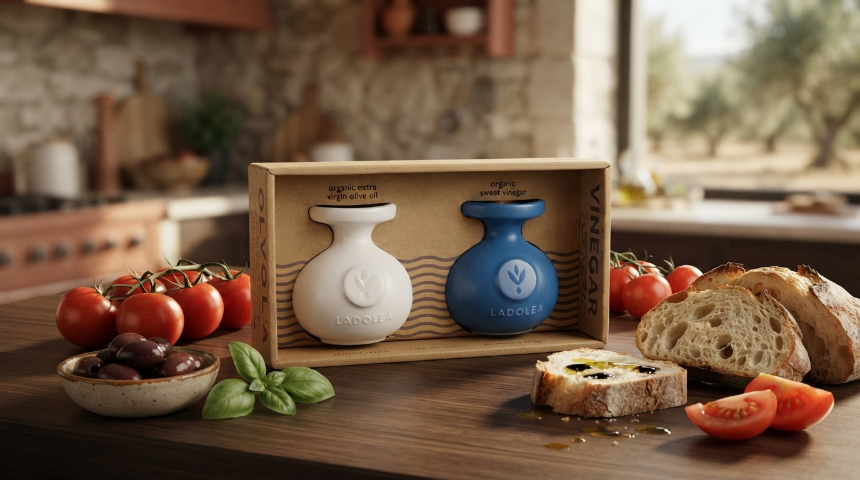
With seafood, choose an olive oil that complements without overwhelming. A delicate, buttery olive oil can highlight the sweetness of scallops or white fish. For grilled octopus or richer fish like salmon, a medium-bodied, aromatic olive oil adds depth. For meats, particularly grilled lamb or steak, a robust, peppery Rare & Wild Harvests olive oil can provide a wonderful counterpoint to the richness, creating a harmonious balance. Consider pairing a high-phenolic olive oil with a balsamic vinegar, much like our Organic Extra Virgin Olive Oil & Organic Balsamic Vinegar 2x 80ml set, to create a sophisticated dressing or marinade for meats and vegetables.
Dessert Innovations: A Surprising Delight
While less conventional, olive oil can be a revelation in desserts. A fruity, slightly sweet olive oil can be drizzled over vanilla ice cream with sea salt, or incorporated into cakes and pastries. The subtle fruitiness and peppery finish can add an unexpected layer of complexity, transforming familiar sweets into gourmet delights. This adventurous pairing highlights the versatility of a truly exceptional Infused & Flavored Oils style olive oil, though for desserts, often an unflavored, high-quality extra virgin is preferred to let its natural fruit notes shine.
Selecting and Curating Your Olive Oil Collection
Building a sophisticated pantry means curating a selection of olive oils for various culinary needs. Think of it as a Tasting Sets & Flights for your kitchen, allowing you to experiment and discover. A larger format, such as the Extra Virgin Olive Oil LADOLEA 600ml, is ideal for everyday gourmet cooking, ensuring a constant supply of high-quality oil for sautéing, roasting, and finishing. For specialized applications or gifting, smaller bottles or unique varietals are perfect.
When purchasing, always look for phrases like “cold-pressed” or “first cold press,” and check the harvest date. Fresher oils almost invariably taste better and retain more of their beneficial compounds. Understanding the specific olive varieties, such as Koroneiki, Arbequina, or Picual, will also guide your selection, as each offers a distinct flavor profile suitable for different dishes.
In conclusion, the journey into the world of premium olive oil is one of continuous discovery. By understanding its origins, appreciating its sensory attributes, and mastering its culinary applications, you elevate not only your dishes but your entire dining experience. It's an investment in flavor, health, and a richer gastronomic life, bringing the luxury of Mediterranean tradition right to your table.
Continue exploring
Deepen your understanding with these curated Elenianna guides.
Frequently Asked Questions
Consider the intensity of both the olive oil and your dish. For delicate flavors like white fish or fresh vegetables, opt for a mild, fruity olive oil. For robust dishes such as grilled meats or hearty stews, a more peppery, intense olive oil will provide a complementary counterpoint. Always aim for balance and enhancement, never overpowering.
Polyphenols are powerful antioxidants found in extra virgin olive oil, contributing to its bitter and pungent notes, and offering numerous health benefits. Oleocanthal is a specific type of polyphenol responsible for the peppery sensation in the throat, known for its anti-inflammatory properties, similar to ibuprofen, as noted by researchers at the University of Athens.
To maintain the delicate flavors and beneficial compounds of your premium olive oil, store it in a cool, dark place away from direct sunlight and heat. Keep the bottle tightly sealed to limit exposure to air, which can cause oxidation. Using dark glass bottles or Refill Tins (EVOO) helps protect it from light degradation, preserving its freshness for longer.

Expert Insights by Xenophon Liapakis
With over 15 years of experience in Mediterranean gastronomy and a certification in Sensory Analysis, Xenophon Liapakis specializes in highlighting the Greek 'Terroir'. As Founder of elenianna, his mission is to bridge scientific knowledge with the ultimate luxury taste experience.
Explore Elenianna Treasures
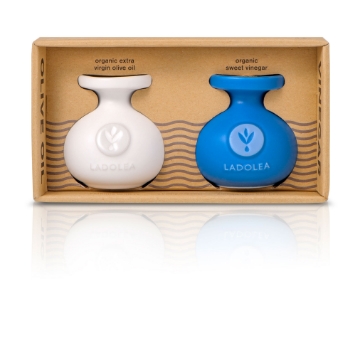 Organic Extra Virgin Olive Oil & Organic Balsamic Vinegar 2x 80ml
 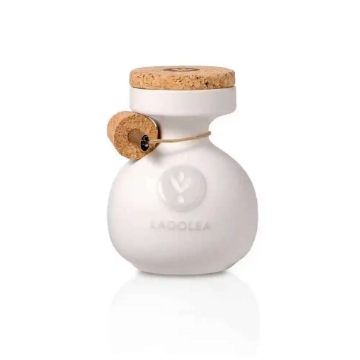 Organic Extra Virgin Olive Oil LADOLEA 80ml
 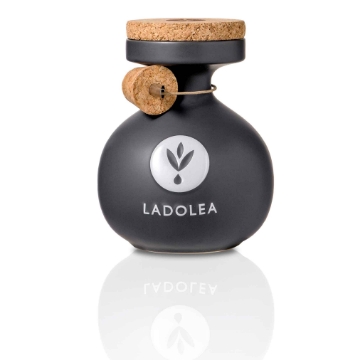 Extra Virgin Olive Oil LADOLEA 600ml
 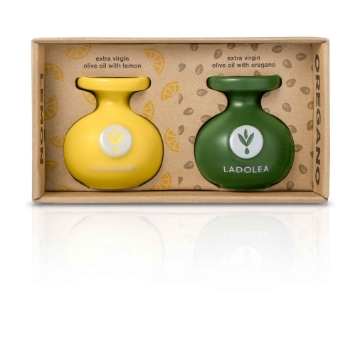 Extra Virgin Olive Oil with Lemon & Oregano 2 x 80ml LADOLEA
 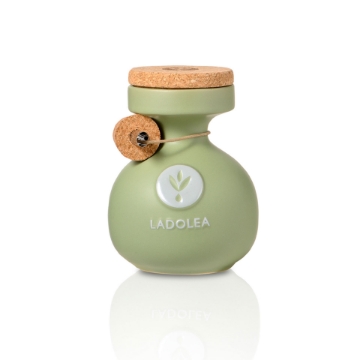 Ladolea Organic Extra Virgin Olive Oil – Koroneiki 200ml | Premium Greek Early Harvest, Cold-Pressed, Single Varietal Gourmet EVOO