7 min read
As the founder of elenianna and a specialist in Mediterranean gastronomy with over 15 years of experience, I, Xenophon Liapakis, am dedicated to unveiling the profound connection between Greek olive oil and its unique 'Terroir'. This concept, often associated with wine, is equally vital for understanding the unparalleled character, health benefits, and luxurious taste experience of authentic Greek olive oil. It is a story woven into the very fabric of the land, shaped by millennia of tradition and the relentless pursuit of excellence.
The Intrinsic Value of 'Terroir' in Greek Olive Oil
The term 'Terroir' encapsulates the complete natural environment in which a particular olive oil is produced, including factors such as soil, topography, and climate. In Greece, this translates to an extraordinary diversity of microclimates, from the sun-drenched coastal plains to the mountainous slopes, each imparting distinct characteristics to the olive fruit. This intricate interplay directly influences the olive variety's growth, ripeness, and ultimately, the oil's aromatic profile, flavor complexity, and beneficial properties.
Microclimates, Varietals, and the Quest for Uniqueness
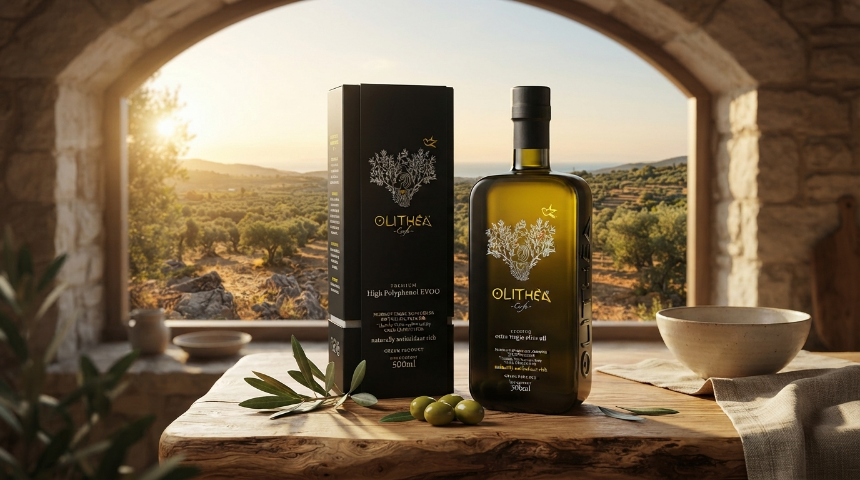
Greece boasts an astonishing array of indigenous olive varieties, each perfectly adapted to its specific regional 'Terroir'. Take, for instance, the delicate yet robust Lianolia variety found predominantly on the island of Corfu. The island's unique humidity, proximity to the Ionian Sea, and soil composition create a distinct environment that fosters the growth of olives yielding exceptionally aromatic and often high-polyphenol oils. Products like Olithea Premium High Polyphenol EVOO – 500ml Corfu Lianolia exemplify this, offering a taste experience that is unequivocally Corfiot. For enthusiasts eager to explore such distinctions, our collection of Single Estate & Monovarietals offers an unparalleled journey into these specific expressions of 'Terroir'.
Ancient Artisanal Traditions and Modern Excellence
The mastery of Greek olive oil production is not merely a matter of geography; it is a legacy of ancient artisanal traditions passed down through generations. From the meticulous cultivation practices to the precise timing of the harvest, every step is a testament to an enduring respect for nature and the pursuit of liquid gold. Ancient Greeks understood the significance of early harvesting, not just for taste but for medicinal properties – a concept rediscovered and validated by modern science.
The Art of Cold Extraction and Quality Preservation
Modern Greek producers, while embracing scientific advancements, remain deeply rooted in these time-honored methods. Cold extraction, for example, is not just a technique; it is a philosophy aimed at preserving the delicate balance of flavors, aromas, and beneficial compounds in the olive oil. This ensures that the oil retains its integrity, freshness, and nutritional value. The International Olive Council (IOC) extensively details the stringent standards for extra virgin olive oil, emphasizing parameters like acidity, peroxide value, and sensory analysis, which Greek producers consistently meet and often exceed, upholding a legacy of quality.
The Health Elixir: Polyphenols and Oleocanthal
Beyond its culinary prowess, Greek extra virgin olive oil is celebrated globally for its remarkable health benefits, largely attributed to its rich content of polyphenols and oleocanthal. These natural compounds are powerful antioxidants and anti-inflammatory agents, contributing significantly to a healthy lifestyle.
Scientific Validation of Nature's Pharmacy
Oleocanthal, a naturally occurring phenolic compound found in high-quality extra virgin olive oil, has been scientifically studied for its anti-inflammatory properties, mimicking the action of ibuprofen, as noted in various research published on PubMed. Similarly, the European Food Safety Authority (EFSA) has authorized a health claim linking olive oil polyphenols to the protection of blood lipids from oxidative stress, provided the olive oil contains at least 5 mg of hydroxytyrosol and its derivatives per 20 g of olive oil. The robust, peppery finish often found in an Early harvest & high-phenolic oil, such as the Olithea Premium High Polyphenol EVOO – 500ml Corfu Lianolia, is a direct indicator of these potent compounds, making it not just a culinary delight but a daily wellness staple.
Regional Diversity: A Tapestry of Flavors
Greece’s diverse landscapes mean a diverse palette of olive oils. From the intense, peppery oils of Crete to the fruity, balanced profiles of the Peloponnese, each region offers a distinctive experience. This regionality is a core pillar of Greek gastronomy, where the local olive oil defines the local cuisine.
Exploring Greece's Gastronomic Heartlands
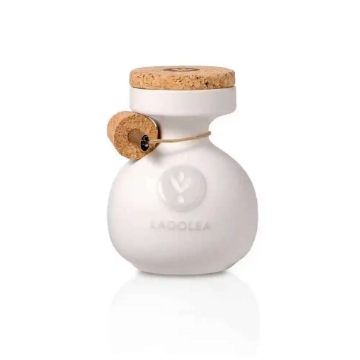
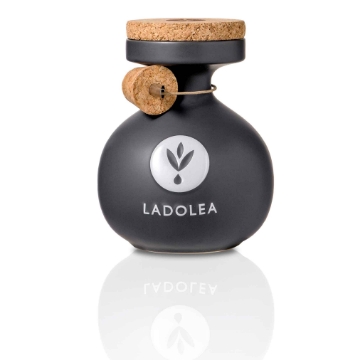
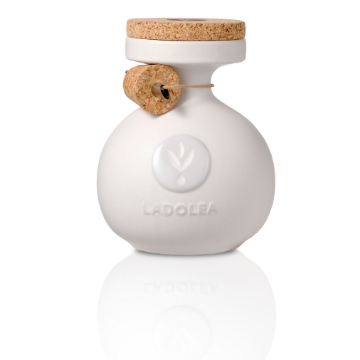
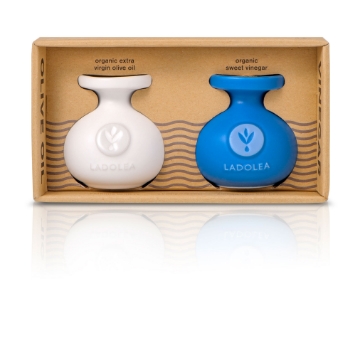
Consider the robust and often verdant oils from the Peloponnese, contrasting with the milder, buttery notes of certain Aegean island productions. Each region's unique 'Terroir' contributes to a kaleidoscope of flavors, perfect for different culinary applications. For instance, the richness of a Peloponnesian oil beautifully complements traditional meat dishes, while a lighter Aegean oil might be ideal for fresh salads or delicate seafood. Exploring the authentic flavors of Greece, especially through categories like Cretan Taste, reveals the profound impact of regional identity on our olive oils. Even a smaller format like the Organic Extra Virgin Olive Oil LADOLEA 80ml offers a perfect introduction to the exceptional quality and regional nuance of premium Greek oils, making it an exquisite personal discovery or a thoughtful gift.
The Art of Tasting and Pairing Greek Olive Oil
Experiencing Greek extra virgin olive oil is an art form. Just as with fine wine, understanding how to taste and pair olive oil elevates its appreciation and enhances any culinary creation. Sensory analysis, a field I am certified in, allows us to discern the subtle nuances of fruitiness, bitterness, and pungency, guiding us to perfect pairings.
Elevating Culinary Experiences with the Right Oil
A high-quality olive oil should be tasted neat, perhaps with a piece of artisanal bread, to fully appreciate its complexity. Its robust, herbaceous notes can transform a simple salad, while a fruitier oil might be drizzled over yogurt or ice cream for a surprisingly delightful dessert. For the connoisseur who appreciates quality in everyday cooking, the Extra Virgin Olive Oil LADOLEA 600ml provides a generous supply of premium oil, perfect for both finishing dishes and general culinary use. For those looking to embark on a journey of discovery, our carefully curated Tasting Sets & Flights offer an ideal starting point to explore the diverse world of Greek olive oils.
Sustainability and the Future of Greek Olive Oil
The future of Greek olive oil is intertwined with sustainability. Producers are increasingly adopting eco-friendly practices, focusing on biodiversity, water conservation, and organic farming. This commitment not only protects the environment but also ensures the longevity of the olive groves and the integrity of the 'Terroir' for generations to come.
Preserving a Precious Heritage for Generations
Many Greek olive groves are ancient, some dating back hundreds or even thousands of years. Preserving these living monuments is a cultural imperative, reflecting a deep reverence for nature and heritage. Sustainable practices, including the use of modern, efficient machinery combined with traditional wisdom, ensure that the precious balance of the ecosystem is maintained. Supporting producers who prioritize these values, and opting for products that embrace environmental responsibility, such as those available in Refill Tins (EVOO), contributes to the continuous flourishing of this vital agricultural sector and the safeguarding of its precious heritage.
In conclusion, Greek olive oil is far more than a simple condiment; it is a profound expression of its 'Terroir', a testament to ancient wisdom, and a powerful elixir for health and well-being. Its journey from the sun-drenched groves of Greece to your table is a narrative of passion, tradition, and scientific excellence, offering an unparalleled taste of luxury and a connection to the very soul of the land.
Continue exploring
Deepen your understanding with these curated Elenianna guides.
Frequently Asked Questions
'Terroir' refers to the unique combination of natural factors—including soil, climate, topography, and olive varietal—that contribute to the distinct characteristics of an olive oil from a specific region. In Greece, this means a wide range of microclimates yielding oils with unique flavor profiles and beneficial properties.
Polyphenols and oleocanthal are natural compounds found in extra virgin olive oil, particularly in early harvest varieties. They are powerful antioxidants and have significant anti-inflammatory properties, contributing to the widely recognized health benefits of the Mediterranean diet, as validated by sources like EFSA and PubMed.
Greek artisanal traditions, such as meticulous cultivation, careful harvesting, and cold extraction methods, form the foundation of modern high-quality olive oil production. These time-honored practices ensure the preservation of the olive oil's delicate flavors, aromas, and beneficial compounds, maintaining a legacy of excellence that is often upheld by standards from organizations like the International Olive Council.

Expert Insights by Xenophon Liapakis
With over 15 years of experience in Mediterranean gastronomy and a certification in Sensory Analysis, Xenophon Liapakis specializes in highlighting the Greek 'Terroir'. As Founder of elenianna, his mission is to bridge scientific knowledge with the ultimate luxury taste experience.