
7 min read
As the founder of elenianna, my passion lies in unraveling the profound connection between the land, its ancient traditions, and the unparalleled sensory experiences they yield. Central to this exploration is the concept of 'terroir,' a multifaceted term that transcends mere geography to define the very soul of a region's produce. In Greece, this concept is particularly resonant, woven into the fabric of its history, its sun-drenched landscapes, and the meticulous hands of its artisans. This deep dive aims to decode what I call 'the unseen root' of Greek terroir—the foundational elements, like a hidden certificate of authenticity (or 'ca.crt' in technical terms), that verify and empower Greece's gastronomic identity, elevating it to a truly luxurious and sophisticated art form.
What Defines the Unseen Root of Greek Terroir?
The term 'terroir,' borrowed from French, encapsulates the intricate interplay of climate, soil, topography, and human intervention that shapes an agricultural product. In Greece, this is amplified by an extraordinary geographical diversity, featuring thousands of islands, rugged mountain ranges, fertile plains, and diverse coastlines. These varied environments create a multitude of microclimates, each imparting unique characteristics to local produce. From the calcareous soils of the Peloponnese to the volcanic earth of the Aegean islands, every parcel of land tells a distinct story.
This 'unseen root' of terroir is not just about geology or meteorology; it is also about biodiversity. Greece is a hotspot for endemic plant species, many of which contribute to the unique flora that influences the diet of livestock and the flavor profiles of honeys and cheeses. Moreover, the human element—the centuries-old farming techniques, the indigenous grape varietals, and the dedication of generational producers—forms an indispensable part of this complex equation. It is the wisdom passed down through generations, ensuring that the unique character of each region's bounty is preserved and celebrated.
Ancient Legacies: The Deep Roots of Greek Gastronomy
The foundations of Greek terroir are deeply embedded in antiquity. Homeric epics and ancient philosophical texts like those by Theophrastus, the 'father of botany,' detail agricultural practices, viticulture, and the significance of food in daily life. The Greeks were pioneers in understanding the impact of environmental factors on crops, cultivating olives and grapes with a reverence that persists to this day. This historical continuum is a critical component of the 'unseen root,' a legacy of sustainable practice and profound respect for the land.
For example, the ancient practice of olive cultivation, dating back thousands of years, has shaped not only the landscape but also the genetic diversity of olive trees across Greece. This enduring tradition, rooted in sustainability, ensured the survival of ancient varietals adapted to specific microclimates, contributing to the incredible spectrum of Greek Olive Oil available today.
The Golden Nectar: Greece's Olive Oil Heritage
Greece is synonymous with extra virgin olive oil, a cornerstone of the Mediterranean diet and a product deeply reflective of its terroir. The unique combination of indigenous olive varietals, such as Koroneiki, Manaki, and Tsounati, grown in diverse microclimates, yields oils with distinct aromatic and flavor profiles. Beyond taste, the health benefits of Greek olive oil are scientifically validated. The International Olive Council (IOC) highlights the presence of beneficial compounds like polyphenols and oleocanthal, recognized for their antioxidant and anti-inflammatory properties, contributing to wellness. Our selection of Early harvest & high-phenolic and Single Estate & Monovarietals olive oils exemplify this dedication to quality and origin, each telling a story of its specific plot of land and the care taken in its production.
Vineyards of Distinction: Nurturing Greece's Wine Identity
The 'unseen root' of Greek terroir finds its eloquent expression in the country's burgeoning wine industry. Greece's diverse terrain and microclimates are ideal for viticulture, fostering unique indigenous grape varieties that thrive nowhere else. From the sun-drenched slopes of the Peloponnese to the volcanic soils of Santorini, each region contributes its distinct character to the wine. This intricate relationship between grape, soil, and climate forms the very essence of a wine's identity.
A prime example of this harmonious interplay is the region of Nemea, nestled in the heart of the Peloponnese. Here, the Agiorgitiko grape, a noble Greek varietal, finds its ideal home. The high-altitude vineyards of Nemea, with their specific soil composition and diurnal temperature variations, impart a remarkable complexity and structure to the wines. The Ktima Skouras Megas Oenos 2020 Red Wine, a masterful blend of Agiorgitiko and Cabernet Sauvignon, carries the Protected Geographical Indication (PGI) Peloponnese, a testament to its authentic origin and adherence to stringent quality standards. Its 18-month maturation in French oak barrels further refines the wine, enhancing its rich aromatics and velvety texture. Similarly, the Ktima Skouras Megas Oenos 2014 offers a decade of cellar-aged refinement, showcasing the incredible longevity and evolving complexity that can be achieved when terroir, varietal, and expert winemaking converge.
Beyond the Grape: The Art of Coffee Crafting
While often associated with wine and olive oil, the influence of terroir extends to other significant elements of Greek gastronomy, including its rich coffee culture. The way coffee beans are selected, roasted, and prepared is deeply ingrained in the Greek way of life, reflecting a distinct preference for robust flavors and traditional brewing methods. The 'unseen root' manifests here in the discerning choice of beans that complement the traditional preparation, particularly for briki coffee.
The Kifonidis Passion | Eklektos Dark Roast Greek Coffee, an authentic Brazilian blend specifically crafted for briki, embodies this aspect of Greek culinary tradition. Its dark roast profile and carefully selected beans are designed to deliver the rich, intense flavor and creamy kaimaki (foam) characteristic of Greek coffee. This experience, often enjoyed with friends or family, is an integral part of Cretan Taste and wider Greek hospitality, offering a moment of pause and connection, flavored by careful selection and preparation.
The Human Element: Artisans and the Preservation of Terroir
The 'unseen root' of Greek terroir is inextricably linked to the human hands that tend the land and craft its produce. The dedicated work of Greek artisans, from olive oil producers to winemakers, is what translates the potential of the land into tangible, exquisite products. This expertise is a blend of ancient knowledge and modern innovation. For instance, the meticulous process of hand-harvesting olives or grapes, a practice still prevalent in many regions, ensures the integrity of the fruit, allowing the true expression of the terroir to shine through.
Furthermore, the artisanal spirit extends beyond edible goods. Consider the craftsmanship in products like Ceramic & Glass Vessel Candles or Reed Diffusers & Room Scents. These items, while not consumed, represent another facet of Greek heritage, drawing on local materials and traditional methods to create products that evoke the scents and aesthetics of Greece, connecting directly to the sensory experience of its environment.
The Future of Greek Terroir: Innovation Rooted in Tradition
As the global appreciation for authentic, high-quality products grows, the 'unseen root' of Greek terroir is gaining increasing recognition. Modern Greek producers are masterfully blending ancient wisdom with cutting-edge techniques, further enhancing the quality and sustainability of their offerings. This dynamic approach ensures that while traditions are honored, there are also continuous advancements in areas such as organic farming, precision agriculture, and sensory analysis.
This evolution allows Greece to continue offering a diverse array of exceptional products, from the intricate flavor profiles of its various Olive Oil categories, including Rare & Wild Harvests, to its increasingly sophisticated wines. The commitment to understanding and nurturing the unique attributes of each microclimate guarantees that Greek gastronomy will continue to captivate palates worldwide, cementing its position as a beacon of Mediterranean culinary excellence. The 'unseen root' is not just a historical marker; it is a living, evolving testament to Greece's enduring gastronomic legacy.
Continue exploring
Deepen your understanding with these curated Elenianna guides.
Frequently Asked Questions
In Greek gastronomy, 'terroir' encompasses the unique combination of geographical factors—such as climate, soil composition, altitude, and proximity to the sea—along with traditional farming practices and human expertise, which collectively imbue local produce with distinctive characteristics and flavors. It's the soul of the land expressed through its yields.
Greek microclimates, due to varied topography including mountains, valleys, and coastlines, create distinct ecological niches. These localized conditions significantly impact grape ripening in vineyards like Nemea, affecting sugar, acidity, and aromatic profiles, and similarly influence the polyphenol content and fruitiness of Olive Oil, leading to a remarkable diversity of flavors and qualities across the country.
Many regions exemplify exceptional terroir. The Peloponnese, particularly areas like Nemea for its Agiorgitiko wines and Kalamata for its world-famous olive oils, stands out. Crete is celebrated for its robust Olive Oil and distinct indigenous ingredients (Cretan Taste), while specific island microclimates also produce unique cheeses, herbs, and other agricultural products reflecting their distinct environmental signatures.

Expert Insights by Xenophon Liapakis
With over 15 years of experience in Mediterranean gastronomy and a certification in Sensory Analysis, Xenophon Liapakis specializes in highlighting the Greek 'Terroir'. As Founder of elenianna, his mission is to bridge scientific knowledge with the ultimate luxury taste experience.
Explore Elenianna Treasures
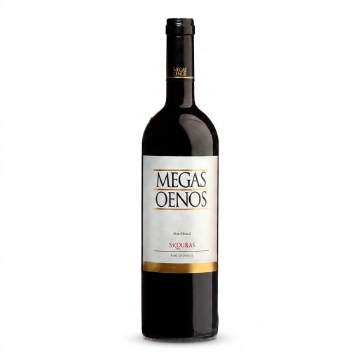 Ktima Skouras Megas Oenos 2020 Red Wine - Agiorgitiko Cabernet Sauvignon Blend 750ml | Protected Geographical Indication Peloponnese, 18-Month French Oak Maturation, High-Altitude Nemea Vineyards
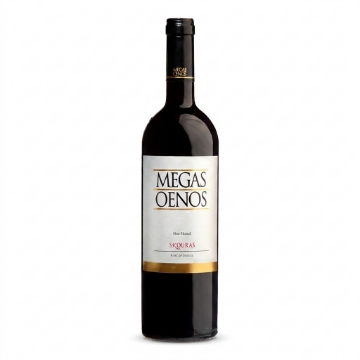 Ktima Skouras Megas Oenos 2014 - Agiorgitiko Cabernet Sauvignon Blend 750ml | PGI Peloponnese, 18 Months French Oak, 10-Year Cellar-Aged Red Wine
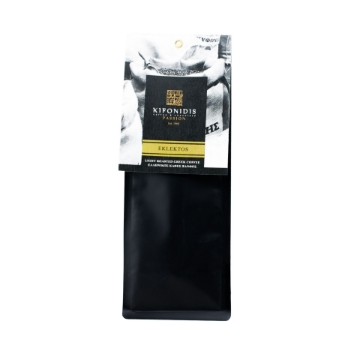 Kifonidis Passion | Eklektos Dark Roast Greek Coffee 200g | Authentic Brazilian Blend for Briki
