
8 min read
As a specialist in Mediterranean gastronomy with over 15 years of experience, I, Xenophon Liapakis, have dedicated my career to exploring the profound connection between land, tradition, and taste. The world of Greek Olive Oil is not merely about a culinary ingredient; it is a meticulously crafted narrative of 'Terroir' – a concept that encapsulates the unique environmental factors, human traditions, and specific agricultural practices that define an area's agricultural products. For centuries, Greece has been the cradle of olive cultivation, producing an elixir that is central to its culture, health, and gastronomy. This deep dive will explore how Greece's diverse microclimates, ancient olive varietals, and unwavering artisanal traditions coalesce to create an olive oil of unparalleled quality and distinction.
The Essence of Greek Terroir: A Symphony of Soil and Climate
The term 'Terroir,' often associated with wine, is equally, if not more, pertinent to olive oil. It is the invisible force that shapes the character of the olive, influencing its aroma, flavor, and texture. In Greece, this force is particularly potent. The country's dramatic landscape – a mosaic of rugged mountains, sun-drenched coastlines, and fertile valleys – creates an extraordinary array of microclimates, each imprinting a distinct personality on the olives it nurtures. Consider the Peloponnese, home to the revered Koroneiki olive. Here, the calcareous soils, abundant sunshine, and refreshing sea breezes contribute to oils known for their vibrant fruitiness and peppery finish. Contrast this with the volcanic soils of the Aegean islands, which can yield oils with a more robust, earthy profile.
Factors such as soil composition (from sandy loams to rocky clays), altitude, proximity to the sea, and even the direction of prevailing winds play critical roles. These elements dictate everything from the olive tree's growth cycle to the accumulation of phenolic compounds within the fruit. Understanding terroir is to appreciate that a Single Estate & Monovarietals olive oil from a specific region is not just a product, but a bottled landscape, a liquid testament to its origin. It is this intricate interplay that allows for the remarkable diversity found within Greek olive oils, making each bottle a discovery of a particular time and place.
Ancient Roots, Enduring Traditions: The Legacy of Greek Cultivation
The history of olive cultivation in Greece dates back millennia, inextricably linked with the development of its civilization. Archaeological evidence suggests olives were cultivated in Crete as early as 3000 BC. This deep heritage has fostered a rich tapestry of artisanal traditions, passed down through generations, ensuring the integrity and quality of Greek olive oil endure. Unlike industrialized large-scale operations, many Greek producers adhere to age-old methods, respecting the rhythm of nature and the specific needs of their groves.
The meticulous care of the olive tree, from pruning to harvesting, is an art form. Traditional harvesting techniques, such as hand-picking or gentle raking, ensure the olives are free from bruising, a crucial factor in maintaining low acidity and high quality. The rapid transport of olives to the mill, often within hours of harvesting, and cold extraction methods are also vital. These practices prevent oxidation and preserve the delicate flavors and beneficial compounds. The International Olive Council (IOC), the intergovernmental organization for olive oil and table olives, sets stringent standards for Extra Virgin Olive Oil, and many Greek artisanal producers consistently exceed these benchmarks, showcasing the profound impact of their traditional methods.
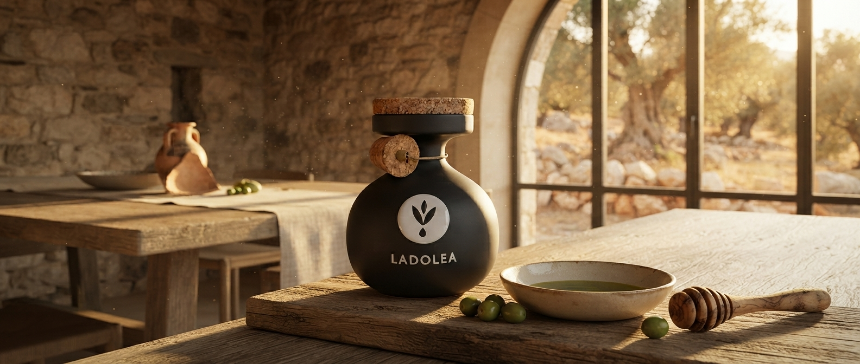
Producers like LADOLEA, for example, based in the ancient region of Argolida in the Peloponnese, exemplify this commitment. They focus on indigenous varietals like Athinolia and Koroneiki, cultivating their olives with respect for the land and employing modern yet traditional processing to capture the purest expression of their terroir. This dedication is evident in products such as our Extra Virgin Olive Oil LADOLEA 600ml, a testament to their unwavering pursuit of excellence.
The Science of Sensory Excellence: Polyphenols and Oleocanthal
Beyond its culinary allure, Greek olive oil is celebrated for its remarkable health benefits, largely attributable to its rich content of polyphenols, particularly Oleocanthal. These natural compounds are powerful antioxidants and anti-inflammatory agents, contributing significantly to the reputation of the Mediterranean diet. When you experience the characteristic bitterness at the back of your tongue and the peppery sensation in your throat after tasting a fine Extra Virgin Olive Oil, you are directly encountering the presence of these beneficial polyphenols.
According to research published on PubMed, Oleocanthal, a specific type of polyphenol found in Extra Virgin Olive Oil, shares pharmacological properties with ibuprofen, acting as a natural anti-inflammatory. The European Food Safety Authority (EFSA) also recognizes the health claims associated with olive oil polyphenols, stating they contribute to the protection of blood lipids from oxidative stress. This scientific validation underscores the importance of selecting Early harvest & high-phenolic olive oils, which contain higher concentrations of these compounds due to the olives being pressed at an earlier stage of ripeness. These oils are not just flavorful; they are a vital component of a healthy lifestyle, offering both pleasure and profound well-being.
Curating the Pinnacle: Single Estate & Monovarietal Selections
For the connoisseur seeking the purest expression of Greek olive oil, Single Estate & Monovarietals selections offer an unparalleled experience. These oils are crafted from olives grown on a single, identifiable estate and often from a single olive varietal. This singular focus allows the nuances of the terroir and the specific characteristics of the olive to shine through without blending, offering a distinct and traceable flavor profile. It is the ultimate luxury in olive oil, akin to a Grand Cru wine.
Our collection proudly features such exemplary products. For instance, the Organic Extra Virgin Olive Oil LADOLEA 80ml, a distinguished monovarietal from the renowned Athinolia olive, grown in the hills of Argolida, embodies this philosophy. Its elegant packaging and intense flavor make it a perfect individual indulgence or a thoughtful gift. Similarly, our Organic Extra Virgin Olive Oil & Organic Balsamic Vinegar 2x 80ml set allows for an exquisite exploration of complementary flavors, showcasing how a superior olive oil elevates even the simplest ingredients.
Choosing a Single Estate olive oil is an act of appreciation for craftsmanship, provenance, and the unique story embedded within each bottle. It is an invitation to explore the subtle variations that Greece's diverse regions and varietals offer, from the grassy notes of an early harvest Koroneiki to the buttery finish of an Athinolia.
The Art of Pairing and Culinary Elevation
Integrating exceptional Greek olive oil into your culinary repertoire is an art form that elevates every dish. Its versatility is boundless, moving beyond a simple cooking fat to become a flavor enhancer and a finishing touch that defines a meal. A robust Olive Oil with a peppery kick is perfect for drizzling over grilled meats, hearty stews, or robust salads, where its intensity can stand up to strong flavors.
Conversely, a more delicate, fruit-forward oil might be best suited for seafood, fresh cheeses, or even simply for dipping with crusty bread, allowing its nuanced aromas to unfold gracefully. The pairing potential is limitless, and exploring these combinations is a journey of sensory discovery. For those keen to delve deeper into the diverse spectrum of olive oil flavors, Tasting Sets & Flights offer a curated exploration, providing an educational and enjoyable way to distinguish between varietals and terroirs.
Consider, for example, how a drizzle of a high-phenolic, early harvest olive oil can transform a simple tomato salad or a plate of warm lentils. The freshness and pungency awaken the palate, creating a memorable dining experience. The elegance of such pairings extends even to desserts, where a fruity olive oil can enhance chocolate or citrus-based sweets, adding an unexpected layer of sophistication.
Beyond the Bottle: Sustaining the Legacy
The future of Greek olive oil lies in our collective commitment to sustainability and the continued support of the dedicated artisans who uphold these ancient traditions. Choosing ethically produced, high-quality olive oil is not just a culinary preference; it is an investment in cultural heritage, ecological balance, and ultimately, our health. It encourages practices that protect the land, preserve biodiversity, and empower local communities.
Furthermore, recognizing the importance of sustainable consumption, options such as Refill Tins (EVOO) provide an environmentally conscious way to enjoy premium olive oil, reducing waste while maintaining a consistent supply of your preferred varietal. The luxury of Greek olive oil, therefore, extends beyond its taste and health benefits; it encompasses a philosophy of respect for nature and tradition, a legacy that elenianna is proud to champion.
In conclusion, Greek olive oil, particularly that deeply rooted in its unique 'Terroir,' offers a profound connection to a rich history and a vibrant future. It is a testament to the power of the land, the wisdom of generations, and the unwavering pursuit of excellence. As Xenophon Liapakis, I invite you to savor this liquid gold, to explore its complexities, and to understand that each drop tells a story of Greece.
Continue exploring
Deepen your understanding with these curated Elenianna guides.
Frequently Asked Questions
'Terroir' for Greek olive oil refers to the unique combination of environmental factors like soil type, climate, altitude, and proximity to the sea, alongside traditional cultivation practices, that give a specific olive oil its distinctive flavor, aroma, and characteristics. It's the unique sense of place captured in the oil.
Polyphenols, including Oleocanthal, are natural antioxidants and anti-inflammatory compounds found in olive oil. They contribute to the oil's bitterness and pungency, signaling its high quality and freshness. Scientifically, they are linked to various health benefits, such as protecting blood lipids from oxidative stress, as recognized by the EFSA.
Single estate and monovarietal olive oils are made from olives grown on a specific, identifiable farm and often from a single olive varietal. This allows the unique characteristics of the particular terroir and olive type to be fully expressed, offering a pure, unblended flavor profile that is highly traceable and reflective of its origin, making it a premium choice for connoisseurs.

Expert Insights by Xenophon Liapakis
With over 15 years in Mediterranean gastronomy and certified in Sensory Analysis, Xenophon Liapakis specializes in unlocking the profound Greek 'Terroir.' As Founder of elenianna, he expertly blends scientific insight with the ultimate luxury taste experience.
Explore Elenianna Treasures
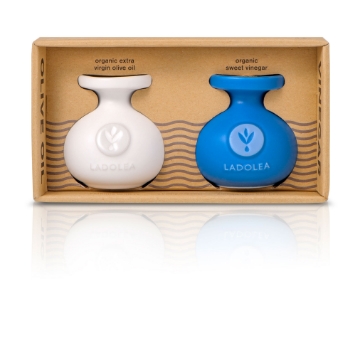 Organic Extra Virgin Olive Oil & Organic Balsamic Vinegar 2x 80ml
 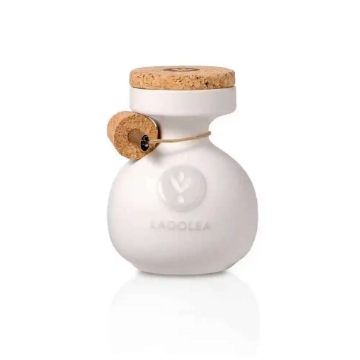 Organic Extra Virgin Olive Oil LADOLEA 80ml
 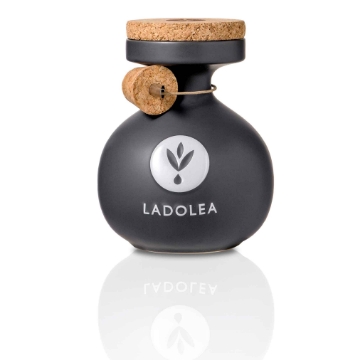 Extra Virgin Olive Oil LADOLEA 600ml
 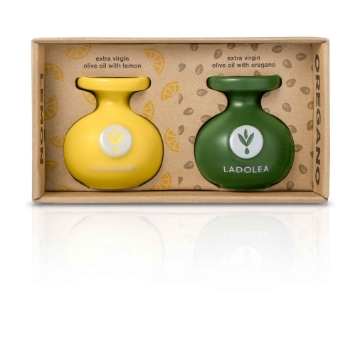 Extra Virgin Olive Oil with Lemon & Oregano 2 x 80ml LADOLEA
 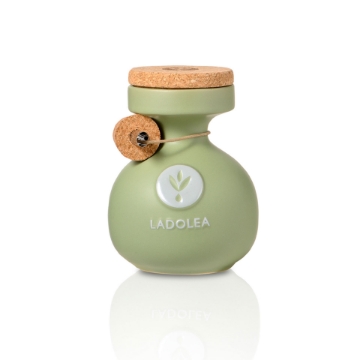 Ladolea Organic Extra Virgin Olive Oil – Koroneiki 200ml | Premium Greek Early Harvest, Cold-Pressed, Single Varietal Gourmet EVOO