
7 min read
The Golden Nectar: Unveiling the Terroir and Tradition of Premium Greek Olive Oil
For millennia, Olive Oil has been more than a mere culinary ingredient in Greece; it is the very essence of its landscape, its history, and its unparalleled gastronomy. As the founder of elenianna, with over 15 years immersed in Mediterranean luxury gastronomy and certified in Sensory Analysis, my mission is to illuminate the intricate world of Greek olive oil, bridging scientific understanding with an exquisite taste experience.
Greek olive oil is not just oil; it is a narrative woven through ancient groves, diverse microclimates, and generations of artisanal dedication. It embodies the concept of 'Terroir' – a French term profoundly relevant to Greek olive oil – encapsulating the unique combination of natural factors (soil, climate, topography) and human elements (traditional cultivation methods) that give each olive oil its distinctive character. This deep connection to the land is what sets premium Greek extra virgin olive oil apart, making it a cornerstone of both health and high-end cuisine.
The Essence of Greek Terroir: Beyond Geography
The distinctive character of Greek olive oil begins with its terroir, a complex interplay of geological formation, climate, and indigenous olive varieties. Greece, with its rugged terrain and countless microclimates, offers an ideal canvas for the olive tree (Olea europaea). Regions like the Peloponnese, Crete, and Lesbos each contribute unique soil compositions – from rocky, limestone-rich earth to fertile volcanic soils – that impart specific nuances to the olives.
Microclimates and Varietal Expression
Take, for instance, the venerable Koroneiki olive, a varietal synonymous with high-quality Greek EVOO. Flourishing under the intense Greek sun and tempered by coastal breezes, the Koroneiki yields an oil renowned for its robust fruitiness, peppery finish, and high concentration of beneficial compounds. The specific microclimates – the slight variations in temperature, rainfall, and humidity within a small area – influence everything from the flowering to the ripening of the olives, dictating their flavor profile and chemical composition. This means an olive oil produced from Koroneiki olives in, say, Lakonia will possess subtle yet discernible differences from one cultivated in Messinia, even within the same broad region. This nuanced expression of terroir is a hallmark of truly exceptional Single Estate & Monovarietals.
Ancient Artisanal Traditions: A Legacy of Excellence
The quality of Greek olive oil is not solely a gift of nature; it is meticulously crafted through time-honored traditions passed down through generations. Ancient Greeks revered the olive tree, considering it sacred, and developed sophisticated methods for cultivation and oil production that continue to influence practices today.
The Art of Harvesting and Cold-Pressing
The pursuit of excellence begins with the harvest. Many premium Greek producers still employ hand-picking or gentle raking methods to ensure the olives are not bruised, preserving their delicate integrity. This labor-intensive approach is critical, especially for Organic & Early Harvest oils, where the olives are picked at an earlier stage of ripeness to capture peak freshness and higher polyphenol levels. Immediately after harvesting, the olives are transported to the mill for cold-pressing. This process, where temperatures are strictly controlled below 27°C (80°F), ensures that the oil's vital nutrients, aromas, and flavors remain intact, yielding a true extra virgin olive oil of superior quality. The rapid transition from tree to mill, often within hours, is crucial in preventing oxidation and maintaining the oil’s pristine character.
The Science of Sensory Delight: Polyphenols and Oleocanthal
Beyond its exquisite taste, premium Greek extra virgin olive oil is celebrated for its profound health benefits, largely attributed to its rich content of polyphenols and oleocanthal. These natural compounds are powerful antioxidants and anti-inflammatory agents, contributing significantly to a healthy Mediterranean diet.
The Power of Oleocanthal
Oleocanthal, in particular, is a phenolic compound found exclusively in extra virgin olive oil, known for its unique peppery sensation in the back of the throat. Research published in PubMed, including studies from the University of Athens, highlights oleocanthal's anti-inflammatory properties, often likened to ibuprofen, but without the side effects. Similarly, the broader spectrum of polyphenols found in high-quality olive oil – such as hydroxytyrosol and tyrosol – contribute to cardiovascular health and cellular protection. The International Olive Council consistently emphasizes the health benefits associated with these compounds, underscoring the importance of consuming authentic extra virgin olive oil.
From Grove to Gourmet: The Journey of Premium Greek Olive Oil
The journey from an olive grove in the Peloponnese to a discerning palate involves rigorous standards and an unwavering commitment to quality. The designation 'Extra Virgin' is not merely a label; it signifies the highest grade of olive oil, obtained solely by mechanical means without the use of solvents or excessive heat, and possessing a free acidity of no more than 0.8%. Premium Greek EVOOs typically boast even lower acidity levels, often below 0.3%.
Quality Standards and Cultivar Purity
The meticulous attention to detail extends to every stage: from cultivation, ensuring sustainable and organic practices, to pressing in state-of-the-art facilities that prioritize hygiene and optimal processing conditions. Producers of fine Single Estate & Monovarietals, for instance, pride themselves on the purity of their cultivar, often highlighting the specific olive variety and its unique characteristics. This dedication ensures that each bottle delivers not just oil, but a story of its origin and the passion of its creators.
Curating the Connoisseur's Collection: Exploring Elenianna's Offerings
At elenianna, we meticulously curate a selection of premium Greek olive oils that embody this dedication to terroir and tradition. Our offerings reflect the diversity and excellence of Greek production, from robust single varietals to delicate Infused & Flavored Oils designed to elevate any dish.
Featured Selections for Discerning Tastes
For those beginning their journey or seeking a sophisticated gift, the Organic Extra Virgin Olive Oil LADOLEA 80ml offers an exquisite introduction, presenting the pure, unadulterated essence of Greek terroir in a compact, elegant form. For culinary adventurers, the Extra Virgin Olive Oil with Lemon & Oregano 2 x 80ml LADOLEA set provides a delightful exploration of classic Mediterranean flavors, perfect for dressing salads, marinating, or finishing grilled dishes. And for the connoisseur who appreciates the depth and complexity of a single, celebrated varietal, the Ladolea Organic Extra Virgin Olive Oil – Koroneiki 600ml | Premium Greek Early Harvest, Cold-Pressed, Single Varietal Gourmet EVOO stands as a testament to the Koroneiki olive's supremacy, delivering a rich, nuanced experience that speaks volumes of its Peloponnesian heritage. These are not merely products; they are gateways to understanding the depth and richness of Greek gastronomy.
Elevating the Experience: Gifting and Gastronomy
Premium Greek olive oil is more than an ingredient; it is a cultural artifact, a symbol of hospitality, and an exceptional gift. Its versatility in the kitchen is unmatched, serving as a foundation for countless dishes, from simple drizzles over fresh bread to complex culinary creations.
Culinary Applications and Gifting Excellence
Consider using a robust early harvest olive oil, such as the Ladolea Koroneiki, to finish a simple grilled fish or a fresh tomato salad, allowing its peppery notes to awaken the palate. The infused oils, like those with lemon and oregano, are perfect for adding a burst of Mediterranean flavor to roasted vegetables or marinating chicken. For those eager to explore the spectrum of Greek olive oil, our Tasting Sets & Flights offer a curated journey through different varietals and flavor profiles, making them ideal for both personal enjoyment and sophisticated gifting. When you choose a premium Greek extra virgin olive oil, you are not just selecting a product; you are embracing a legacy of flavor, health, and unparalleled tradition.
Continue exploring
Deepen your understanding with these curated Elenianna guides.
Frequently Asked Questions
Greek olive oil stands out due to its diverse microclimates, unique indigenous varietals like Koroneiki, and centuries-old artisanal traditions that emphasize early harvest and cold-pressing. This combination results in a distinctive flavor profile and a high concentration of beneficial polyphenols and oleocanthal.
Terroir refers to the complete natural environment in which a particular olive oil is produced, including factors such as soil, topography, climate, and the human expertise applied to cultivation and production. In Greece, 'terroir' explains why olive oils from different regions, even of the same varietal, can have distinctly different characteristics and flavor nuances.
When selecting a high-quality extra virgin olive oil, look for terms like 'early harvest' and 'cold-pressed,' which indicate meticulous processing. Prioritize single varietals or single estate oils for purity and character. A reputable producer and details about the olive varietal (e.g., Koroneiki) and region are also strong indicators of quality. Lastly, a fresh, fruity aroma with a peppery finish often signifies a rich polyphenol content.

Expert Insights by Xenophon Liapakis
With over 15 years of experience in Mediterranean gastronomy and a certification in Sensory Analysis, Xenophon Liapakis specializes in highlighting the Greek 'Terroir'. As Founder of elenianna, his mission is to bridge scientific knowledge with the ultimate luxury taste experience.
Explore Elenianna Treasures
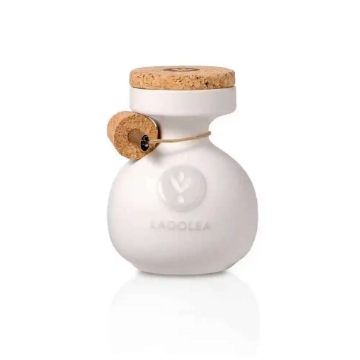 Organic Extra Virgin Olive Oil LADOLEA 80ml
 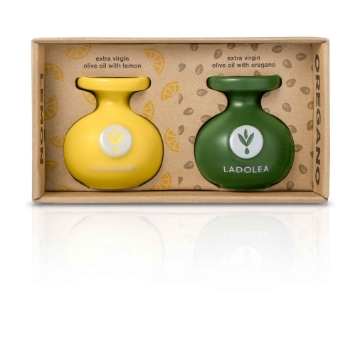 Extra Virgin Olive Oil with Lemon & Oregano 2 x 80ml LADOLEA
 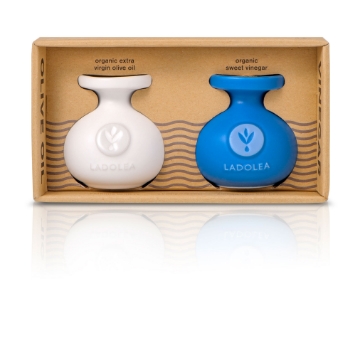 Organic Extra Virgin Olive Oil & Organic Balsamic Vinegar 2x 80ml
 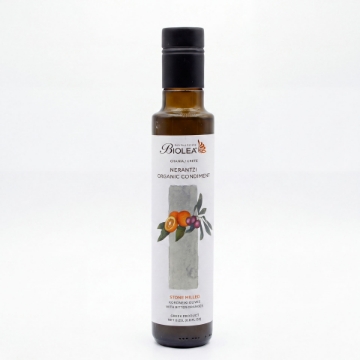 Biolea Organic Extra Virgin Olive Oil Nerantzio 250ml
 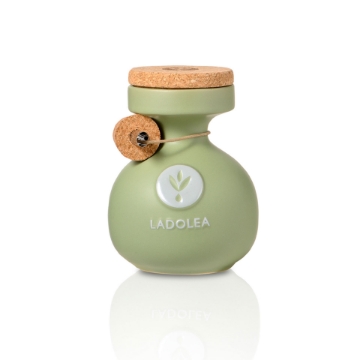 Ladolea Organic Extra Virgin Olive Oil – Koroneiki 200ml | Premium Greek Early Harvest, Cold-Pressed, Single Varietal Gourmet EVOO